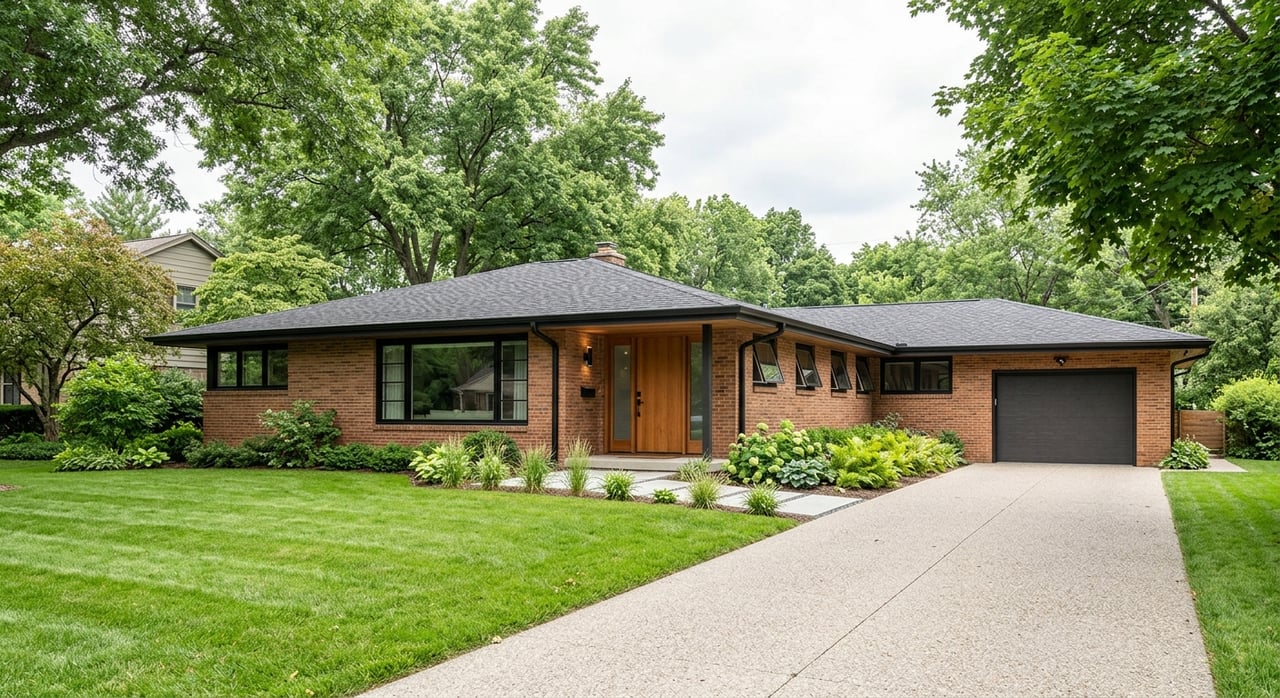
Crieve Hall Ranch Homes Worth Renovating?
June 25, 2026
June 25, 2026
If you love the idea of space, character, and the chance to make a home your own, Crieve Hall deserves a close look. Many buyers are drawn to this south Nashville neighborhood because its classic ranch homes often sit on generous lots and offer layouts that can evolve over time. If you are wondering whether a Crieve Hall ranch is the right fit for your lifestyle and budget, this guide will help you understand the upside, the tradeoffs, and the renovation questions worth asking. Let’s dive in.
Crieve Hall is a long-established neighborhood in south Nashville, about nine miles south of downtown and roughly two miles north of Brentwood. According to Metro’s Southeast Community Plan, the area grew quickly after World War II as suburban demand increased and sewer expansion opened the door for more development. That history still shows up today in the neighborhood’s housing stock and overall feel.
The local numbers help explain the appeal. Current market snapshots show a median year built of 1962, a median lot size of 19,602 square feet, an average single-family home size of 2,156 square feet, and a median sale price of $682,500. Homes are also selling in about 40 days on average, which suggests buyers continue to see value here.
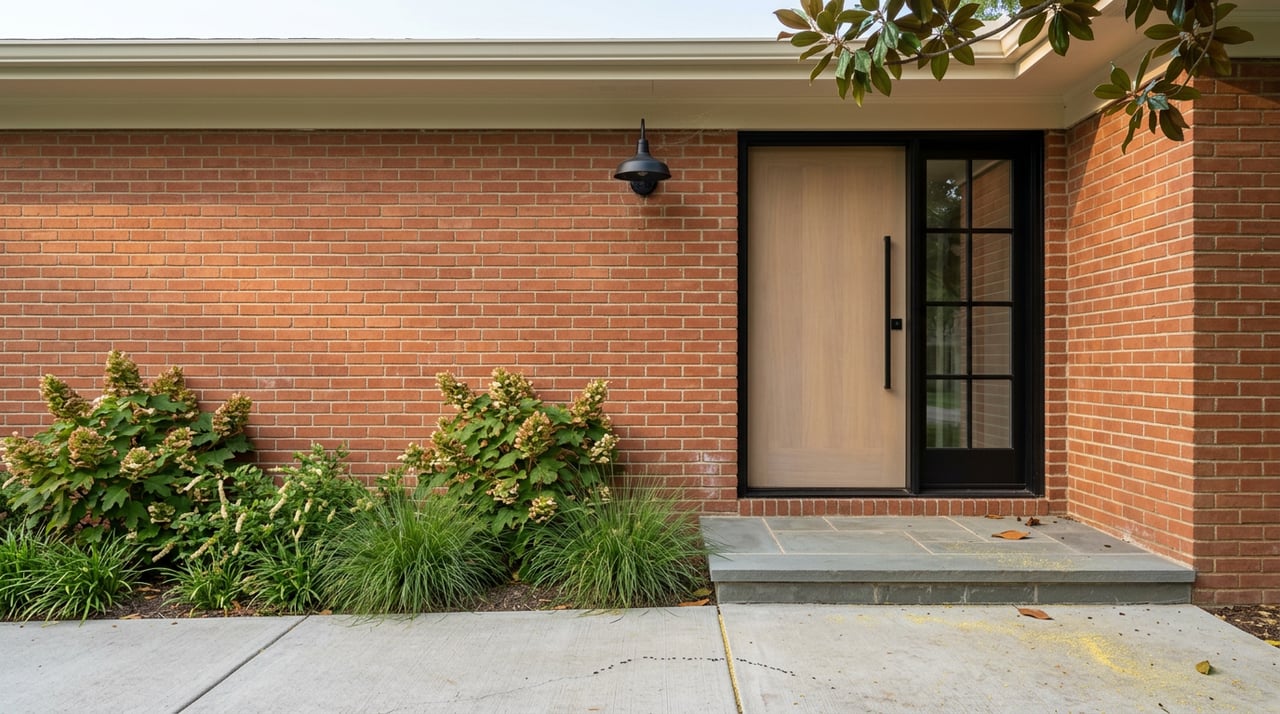
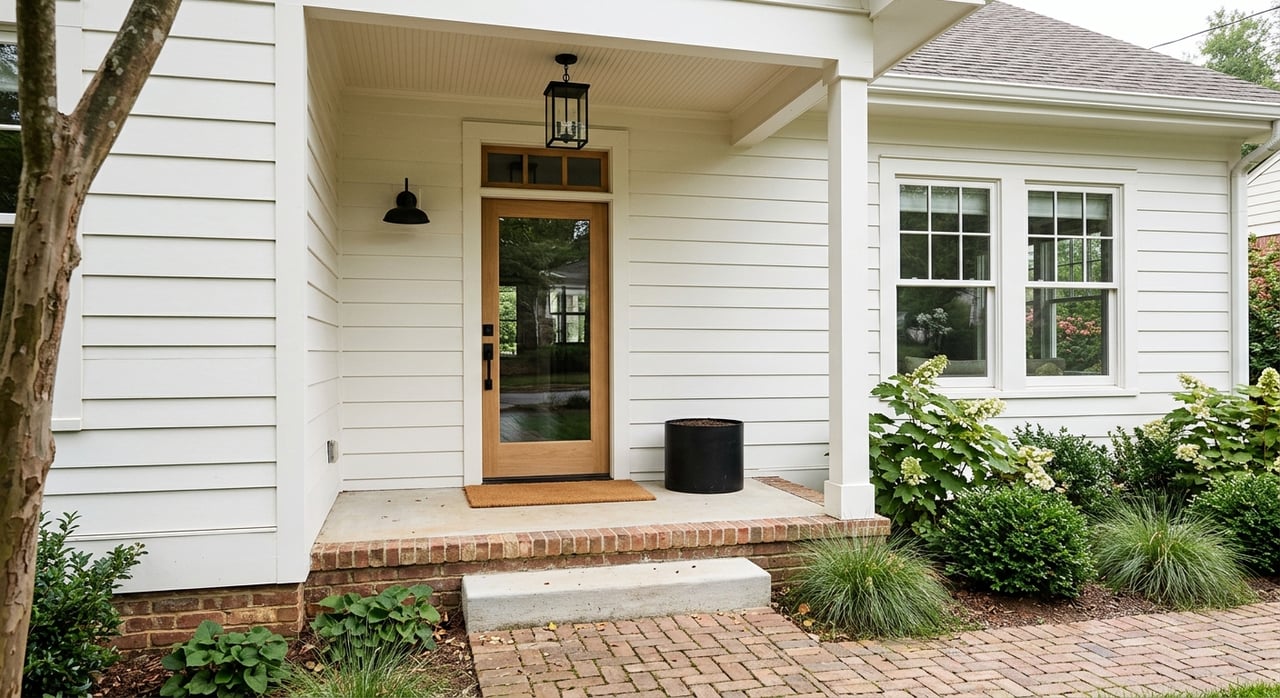
When people talk about Crieve Hall ranch homes, they are usually talking about mid-century brick homes with practical one-level living. Ranch homes are generally known for low rooflines, broad footprints, large windows, and a strong connection to the yard or patio. In Crieve Hall, that often translates into a house that feels simple, livable, and full of potential.
Many of these homes have rectangular, L-shaped, or U-shaped layouts. Inside, you may find living, dining, and kitchen spaces that are either lightly separated or easy to rework. Outside, the larger lots can create room for outdoor living, landscaping upgrades, or future additions if the specific parcel allows it.
One reason buyers keep coming back to ranch homes is flexibility. A single-story layout is often easier to reconfigure than a more complex multi-level home, and the original footprint can adapt well to modern needs. That makes Crieve Hall ranch homes especially appealing if you want an older home with room to improve function over time.
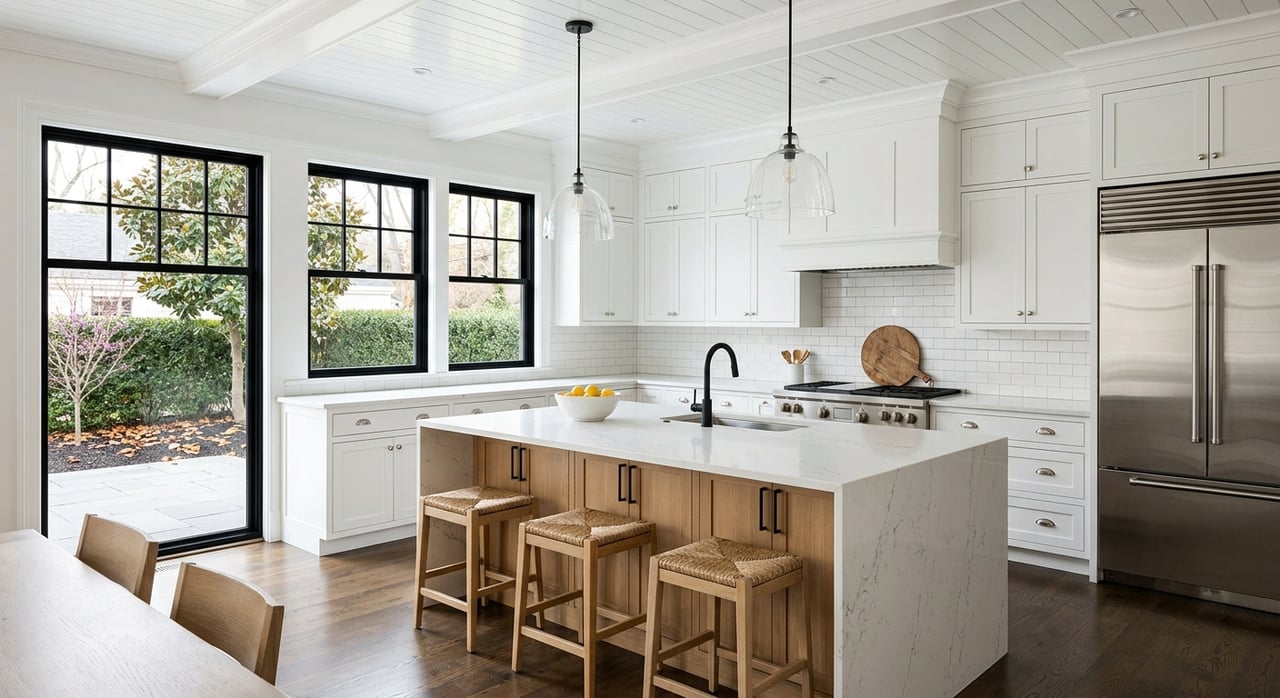
In practical terms, some of the most useful updates often include opening smaller living areas, improving kitchen flow, adding a primary suite, or creating better mudroom or laundry space. These changes can help the home work better for daily life while still respecting the original mid-century structure. For many buyers, that balance is the sweet spot.
It is easy to get excited about paint colors, countertops, and lighting, but older homes usually need a deeper first look. The U.S. Department of Energy recommends checking insulation levels and getting an energy assessment to identify air sealing needs. In older homes, attic insulation, wall insulation, and crawlspace or basement conditions can have a major impact on comfort and monthly costs.
Moisture control matters too. The EPA recommends controlling pollution sources, ventilating properly, and keeping indoor humidity below 60 percent, with 30 to 50 percent being ideal. If you are planning updates, it is smart to think about indoor air quality from the start, especially during renovation work.
That means your first renovation dollars may be best spent on the systems you do not always see right away. Roof age, HVAC age, insulation quality, and crawlspace or basement moisture can all affect how comfortable and efficient the home feels long after the cosmetic work is done.
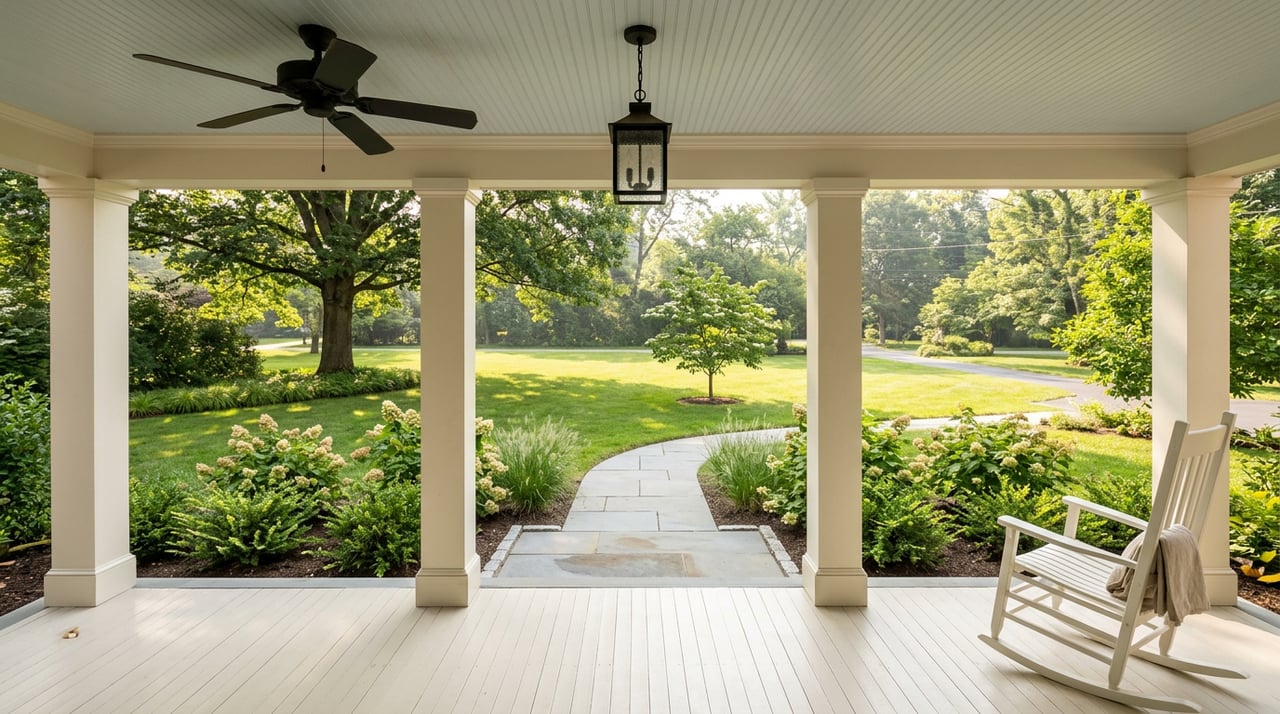
One of Crieve Hall’s most attractive features is lot size. With a median lot size of 19,602 square feet, many homes offer more breathing room than buyers might find in other close-in areas. That extra space can support ideas like a larger patio, a screened porch, more usable backyard design, or a home addition if allowed.
Still, lot size alone does not guarantee what you can build. Nashville zoning and parcel details vary, so plans for additions, accessory structures, or reconfiguration should be confirmed property by property. This is where careful due diligence can save you time, money, and frustration.
If you are considering a Crieve Hall ranch because you want to renovate, permit research is essential. Nashville requires permits for additions, converting garages, attics, or basements into habitable space, and repair or rehab work involving structural changes, roofing, siding, or similar work. If the floor plan is being changed, Metro requires a floor plan, and additions generally need a site plan as well.
Some properties may also have overlay or stormwater considerations. Floodplain overlays can trigger extra review, which is another reason not to assume every lot can handle the same project. Before you make plans, it helps to verify zoning, setbacks, permit history, and parcel details through Metro resources.
In Nashville, zoning districts such as RS10 and R10 require minimum 10,000-square-foot lots. Even so, what you can do with a specific home remains a parcel-by-parcel question. Two homes on large lots can still have very different options depending on their exact zoning and site conditions.
For some buyers, the real question is not whether to renovate. It is whether to buy an older ranch in Crieve Hall or choose a newer home in a nearby market. Crieve Hall’s value often comes from its established location, larger lots, and architectural character.
Nearby suburban markets can be much more expensive. As of May 2026, broad market snapshots show Brentwood with a median listing price around $1.7 million and Franklin around $1.159 million. While that is not a direct new-construction comparison, it helps explain why some buyers decide a Crieve Hall ranch plus renovation budget may be a better fit than stretching for newer inventory elsewhere.
Newer homes do bring advantages. Efficient new construction is often designed for better performance, comfort, durability, ventilation, filtration, and moisture control. That can mean fewer near-term repairs and better energy performance, but often with less original character and, in many cases, less lot space than you may find in classic Crieve Hall housing stock.
Beyond the house itself, the street matters. Metro’s Southeast Community Plan notes traffic congestion and limited sidewalks and pedestrian infrastructure across the broader area. That means you should evaluate walkability and traffic patterns on the specific street instead of assuming the whole neighborhood functions the same way.
If possible, visit at different times of day. A street that feels quiet in the middle of the afternoon may feel very different during school drop-off hours or evening commute times. This kind of on-the-ground review can help you match the home to your everyday routine.
If you are seriously considering a ranch home in Crieve Hall, keep your evaluation simple and focused:
Buying a home with renovation potential is exciting, but it also takes clear planning. You want to understand the home as it sits today, what updates may be worth making first, and how the property fits your long-term goals. That is especially true in a neighborhood like Crieve Hall, where lot size, permit history, and layout can vary from one home to the next.
The right guidance can help you look beyond surface finishes and focus on what really drives value and livability. If you are comparing homes, planning a move, or trying to decide whether a Crieve Hall ranch makes sense for your next chapter, working with someone who understands Greater Nashville housing patterns can make the process feel much more manageable.
If you are thinking about buying or selling in Crieve Hall or anywhere in Greater Nashville, Megan Smith can help you evaluate your options with clear local insight and a practical plan for your next move.
Stay up to date on the latest real estate trends.
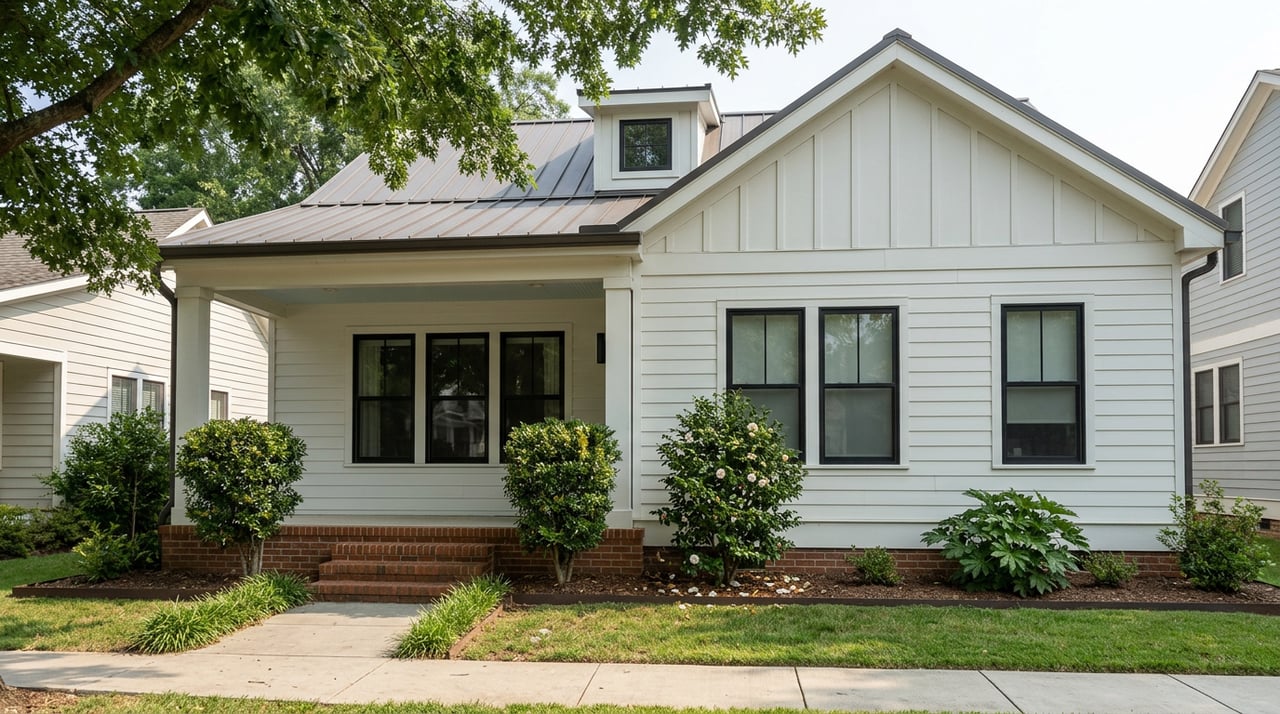
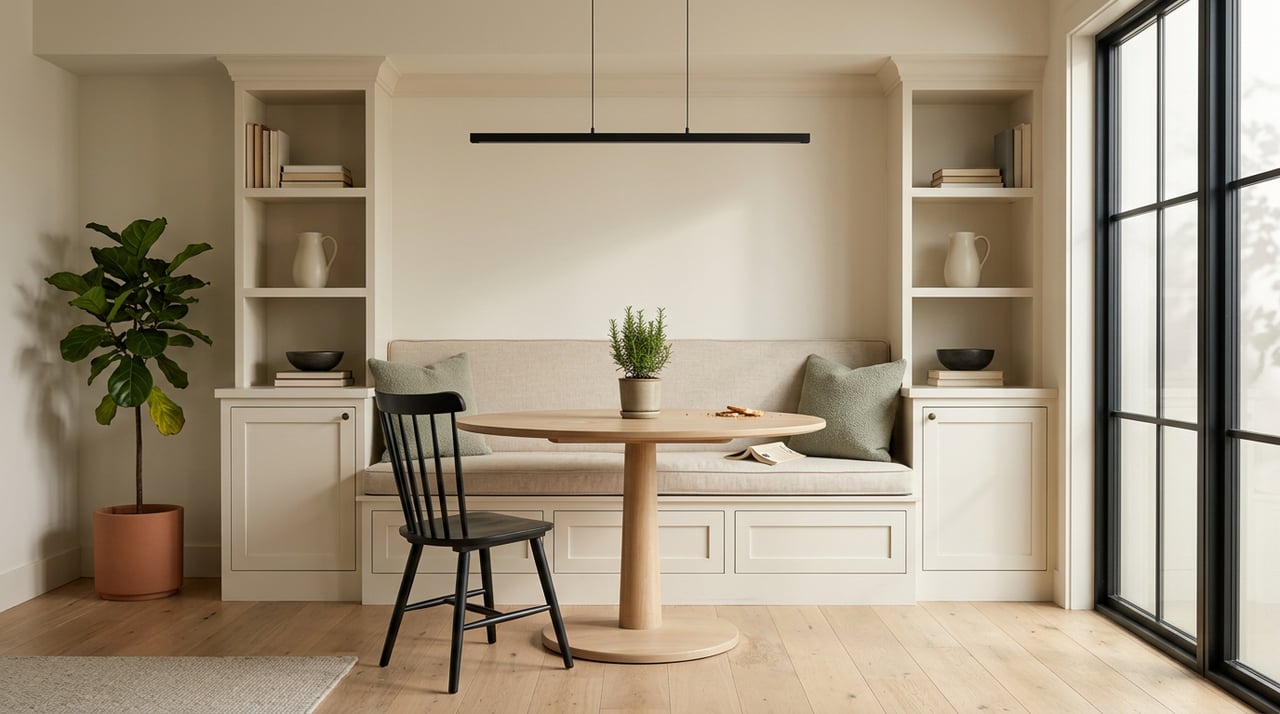
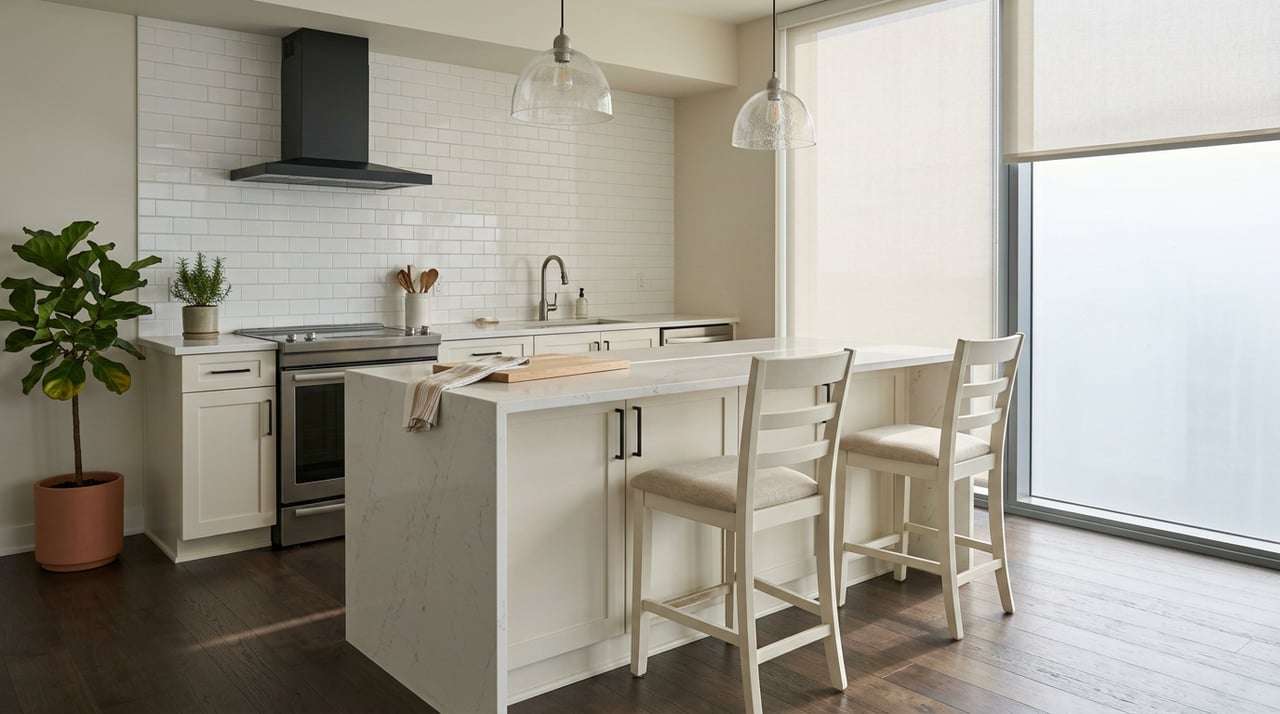
Finding a home that is right for my client’s budget, lifestyle and personality is a responsibility I take seriously. Clients can expect my experience in evaluating market conditions and my proven negotiating skills will bring us the best outcome.