Is East Nashville A Fit For Creative Homebuyers
June 18, 2026
June 18, 2026
If you are drawn to neighborhoods with personality, East Nashville probably already has your attention. It offers a mix of historic homes, creative energy, local dining, and outdoor access that feels very different from a more polished or uniform in-town area. If you are trying to decide whether that lifestyle matches your budget and day-to-day needs, this guide will help you sort through the tradeoffs. Let’s dive in.
East Nashville sits just across the Cumberland River from downtown, but it does not feel like a single, one-note neighborhood. Metro’s East Nashville Community Plan treats it as a large area with many pockets, and that matters when you start house hunting. One street may feel rooted in early 1900s character, while the next may have newer infill homes, townhomes, or a different rhythm altogether.
Visit Nashville describes East Nashville as a creative-class neighborhood with an eclectic and culturally diverse feel. That identity shows up in the housing, the businesses, and the overall pace of daily life. If you want a neighborhood with strong personality instead of a highly consistent streetscape, East Nashville often delivers that in a big way.
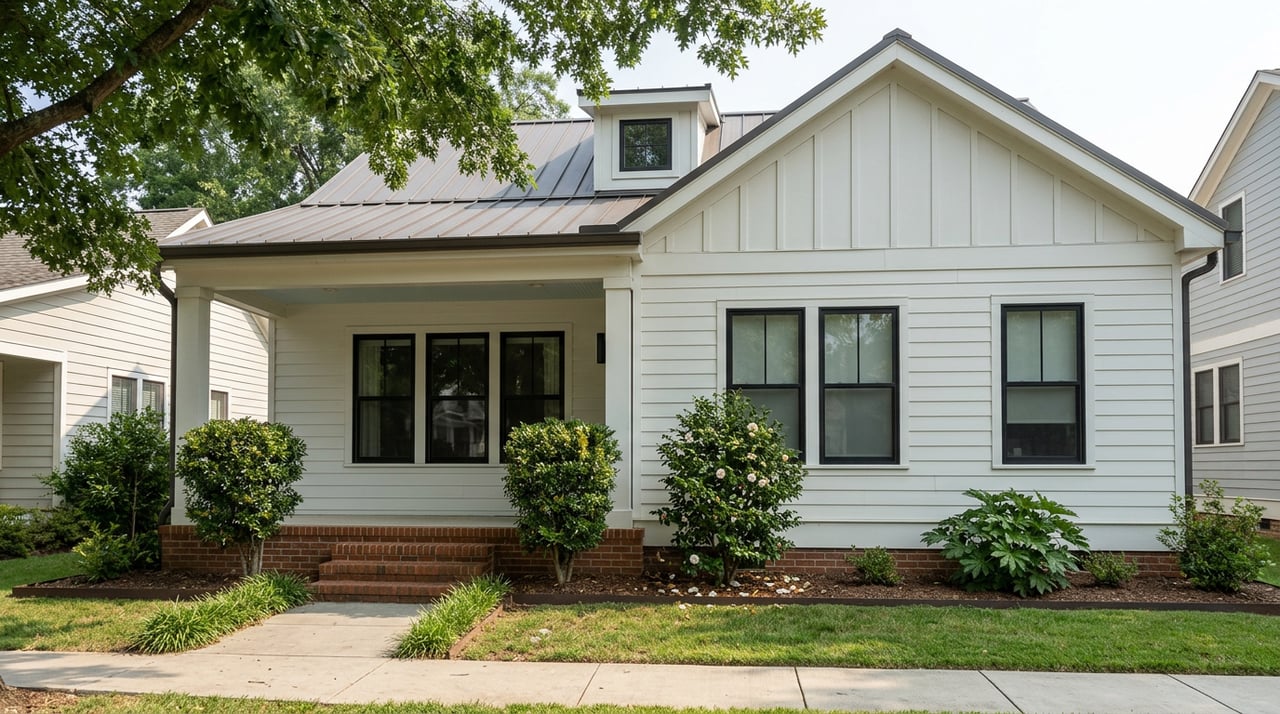
East Nashville offers a broader housing mix than many buyers expect. Planning documents describe a grid street pattern, shorter blocks, sidewalks in many areas, and a blend of single-family homes, two-family detached homes, accessory dwelling units, townhomes, and small stacked flats. That variety gives you more choices, but it also means each pocket can feel very different.
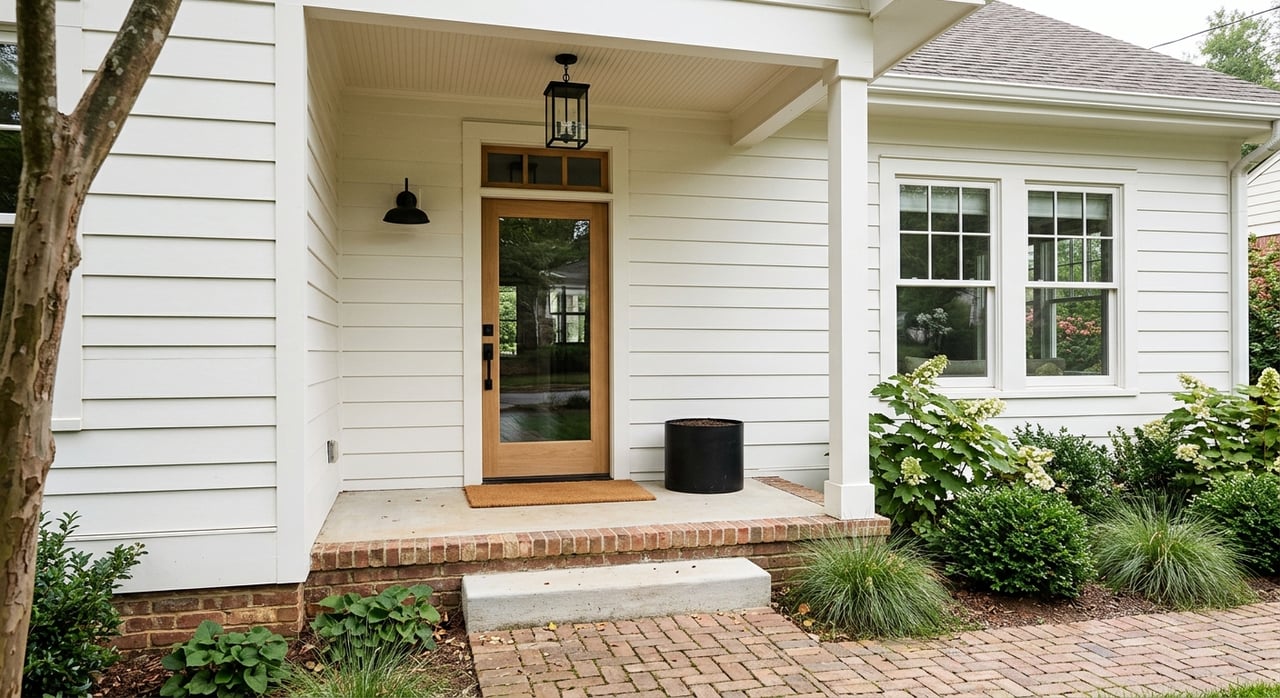
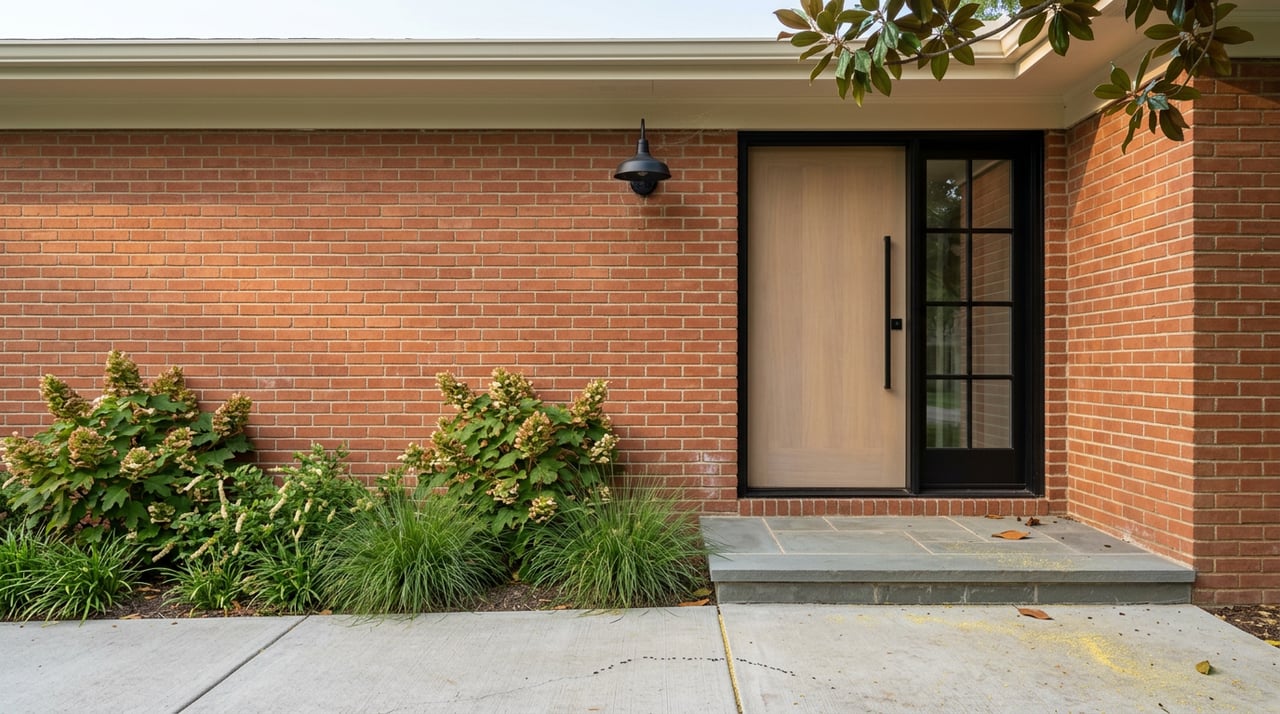
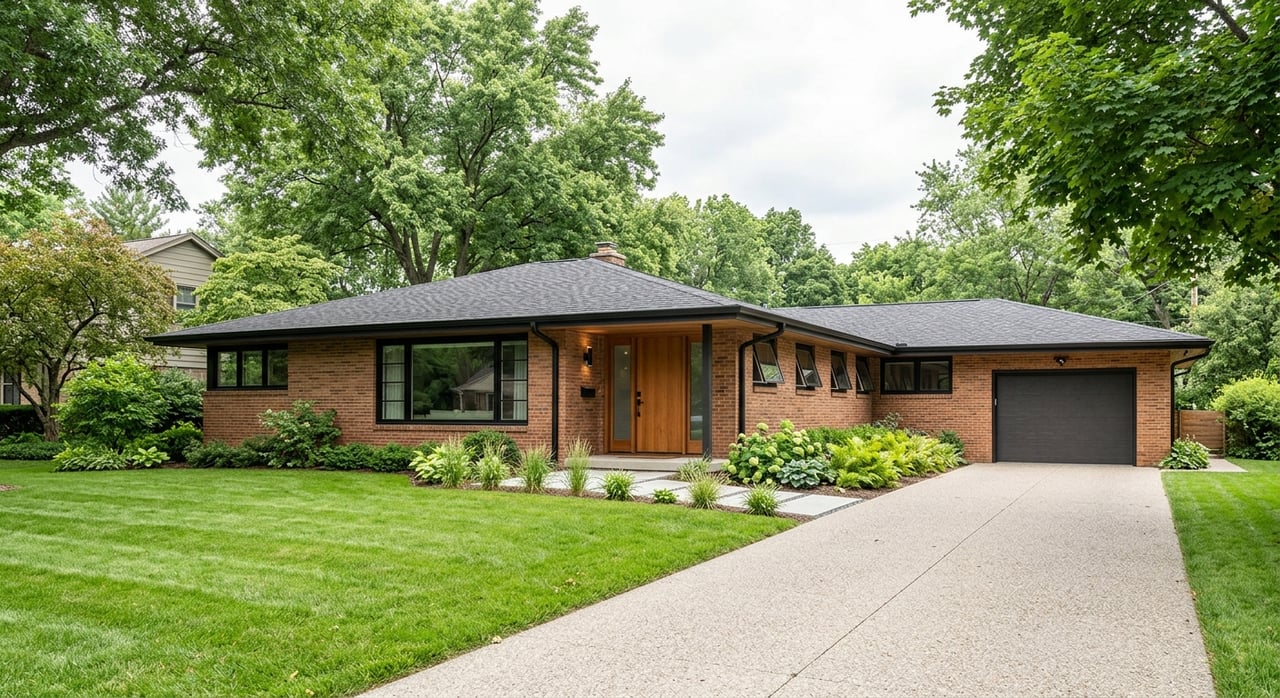
If you love older-home character, East Nashville has a lot to offer. Historic homes dating back to the early 1900s are part of the area’s identity, and that charm is a major draw for many buyers. At the same time, you will also see infill development and newer housing types, so it is important to compare blocks closely rather than assume the whole area feels the same.
This is one of the most important things to understand before you buy in East Nashville. The neighborhood is not uniform in architecture, lot sizes, housing age, or streetscape. That can be a positive if you want options and a more layered feel, but it also means your search should stay very location-specific.
For creative homebuyers, that variety can be part of the appeal. You may find a historic bungalow on one street, a newer townhome a few blocks away, and a home with ADU potential in another pocket. The key is knowing what kind of home experience you want most, then narrowing your search around that fit.
East Nashville is closely tied to local restaurants, live music, art, vintage shopping, and independent business energy. Visit Nashville points to innovative restaurants, dive bars, creative cocktails, and arts-focused experiences as central to the neighborhood’s identity. If you like being near places that feel local and expressive, that can be a strong lifestyle match.
The area also helped establish Nashville as a culinary destination in the early 2000s. Well-known restaurants like Margot Cafe & Bar and Joyland are part of that story. For buyers who enjoy building daily routines around neighborhood spots, East Nashville can offer the kind of regular, walkable outings that make a place feel personal.
East Nashville can also work well if you work from home and want more than just a house. The neighborhood’s mix of coffee shops, brunch spots, local businesses, and park access supports a flexible daily rhythm. If you like stepping out for a change of scenery during the workday or ending the day with a nearby trail or dinner spot, that lifestyle is easier to picture here.
Metro planning also emphasizes walkability, connectivity, and neighborhood character in the area. That does not mean every block functions the same way, but it does support the broader appeal for buyers who want a more connected, in-town feel.
One of East Nashville’s biggest lifestyle advantages is Shelby Bottoms. Metro Parks describes it as a 960-acre greenway and natural area with more than 5 miles of paved ADA-accessible trail, additional primitive trails, and about 3 miles of Cumberland River frontage. It is also less than 4 miles from downtown, which makes it a standout amenity for buyers who want easy outdoor access without leaving the city.
If being near nature helps you recharge, Shelby Bottoms adds real value to the area. It gives East Nashville breathing room that not every in-town neighborhood can match. For many buyers, that balance of creative urban energy and nearby green space is a big part of the appeal.
Transportation planning in East Nashville also supports a more multimodal lifestyle. Metro bikeway projects are intended to connect residential areas to Five Points, Shelby Bottoms Park, Shelby Avenue, Davidson Street, and safer crossings into downtown. The East Nashville Spokes project includes Woodland/Union, South 5th, and South 10th streets.
WeGo also notes that the WeGo Star is a convenient option for residents along the East Corridor traveling to and from downtown, and route service includes 4 Shelby and 56 Gallatin Pike to downtown. If you want options beyond driving for every trip, East Nashville offers more built-in support for that than many other areas.
East Nashville is not the lowest-priced in-town option, but it can be more accessible than some of Nashville’s best-known premium neighborhoods. Over the three months ending May 2026, East Nashville’s median sale price was $551,265, with median days on market at 63. Nashville overall posted a median sale price of $474,716 and 65 median days on market.
That puts East Nashville above the broader Nashville median, but below several higher-priced in-town areas. During the same period, Germantown’s median sale price was $707,762, West Nashville was $713,125, and 12 South was $1,599,462. For buyers who want a strong in-town identity and lifestyle, East Nashville can sit in a middle-to-upper price band that feels more reachable than 12 South while still offering a distinctive neighborhood experience.
East Nashville’s median price per square foot was $327, compared with $276 for Nashville overall. Germantown was $497, West Nashville was $335, and 12 South was $633. That comparison helps show why East Nashville often appeals to buyers who want an in-town location and lifestyle but are weighing value carefully.
You are still paying a premium over the citywide median for location and character. But compared with some other sought-after neighborhoods, East Nashville can offer a more moderate entry point into a highly recognizable in-town market.
East Nashville rewards buyers who look closely before making an offer. Because the housing stock is varied and some homes sit within local historic overlays, your due diligence should go beyond the usual basics. This is especially true if you are thinking about renovations, exterior updates, or adding a detached structure.
Several pockets are within local historic overlays, including Edgefield HPZO and Lockeland Springs-East End NCZO. In Nashville, historic overlays do not change the use of a property, but they do add design review for exterior work. Detached ADUs can also be allowed in certain historic overlays under specific standards.
If you are considering additions, window changes, exterior updates, or a garage apartment, check the parcel’s overlay status as early as possible. That step can save you time and keep your expectations realistic. A home may still be a great fit, but you want to understand the review process before you plan future changes.
Flood review matters in East Nashville more than it does in many other in-town neighborhoods. Metro Nashville states that all streams in the county are subject to flooding, and homes within or near a Special Flood Hazard Area face the highest risk. Because Shelby Bottoms is a large river-adjacent natural area with floodplain characteristics, this is a practical issue buyers should not overlook.
That does not mean you should rule out the area. It simply means you should screen flood maps and property-specific risk early in the process. In a neighborhood with this much variation, details like overlay status and flood exposure can shape both your comfort level and your long-term plans.
East Nashville is often a strong fit if you want older-home character, local dining, arts and vintage retail, park access, and support for biking or transit-oriented trips. It also makes sense for buyers who do not need every block to look and feel the same. If personality matters more to you than perfect uniformity, the area may feel especially appealing.
It can also be a smart option if you want an in-town lifestyle without stepping into the price level of 12 South. You are still shopping in a competitive, desirable part of Nashville, but the price gap between East Nashville and some premium neighborhoods is meaningful.
East Nashville may be a weaker fit if your top priority is the lowest possible in-town price point. It may also be less ideal if you want a primarily new-construction feel or prefer a neighborhood with fewer property-by-property variables. Buyers who want a very predictable streetscape sometimes find East Nashville more mixed than expected.
It is also not the place to skip due diligence. Overlay rules, flood review, and street-by-street differences all matter here. If you go in with clear priorities and a careful process, though, East Nashville can be an excellent match for the right buyer.
East Nashville tends to attract buyers who want a home and a lifestyle at the same time. You are not just choosing square footage or finishes. You are choosing how you want your week to feel, from park access and local restaurants to architecture, transit options, and creative neighborhood energy.
If that sounds like what you are looking for, East Nashville is worth a serious look. The smartest approach is to compare specific pockets, understand the property details early, and make sure the home matches both your budget and your daily routine. If you want help narrowing the right fit in Greater Nashville, Megan Smith would love to help you map out your next move.
Stay up to date on the latest real estate trends.
Finding a home that is right for my client’s budget, lifestyle and personality is a responsibility I take seriously. Clients can expect my experience in evaluating market conditions and my proven negotiating skills will bring us the best outcome.