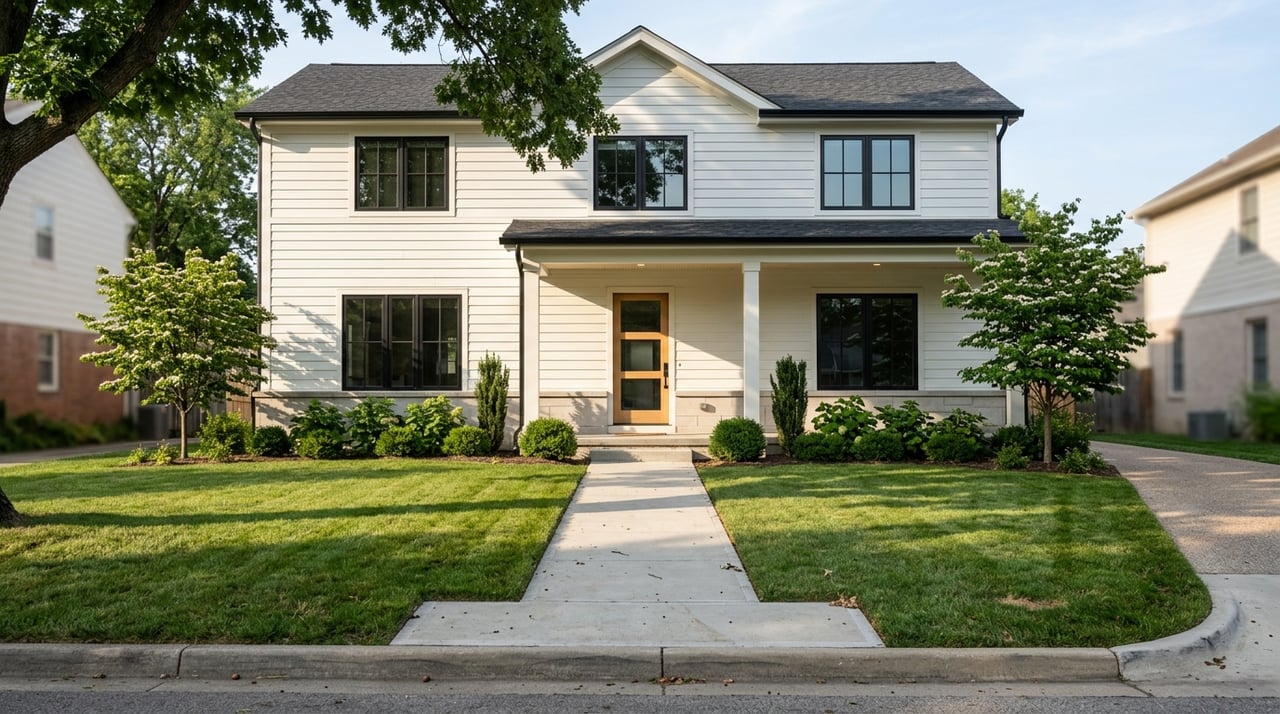
Bellevue TN Living Guide: Daily Life And Housing
June 11, 2026
June 11, 2026
If you want a Nashville-area neighborhood that feels suburban without feeling cut off, Bellevue is worth a closer look. Many buyers want more space, everyday convenience, and access to the outdoors, but they also want to stay connected to jobs, services, and the city around them. Bellevue offers that balance, with a housing mix that goes beyond the typical one-style suburb. Let’s dive in.
Bellevue sits in the southwestern corner of Davidson County and is part of Nashville’s long-range planning framework through the Bellevue Community Plan. That matters because it helps explain the area’s character today and the way it is expected to grow over time.
Metro’s planning language for Bellevue focuses on balance. The goal is to preserve established residential character while still allowing for growth, services, and open-space connections. In simple terms, Bellevue is designed to stay primarily residential while continuing to support the daily needs of the people who live there.
Another reason Bellevue feels different from some other Nashville-area communities is its scenic setting. Metro describes it as a place that provides housing in natural surroundings near regional employment centers, which helps explain why it appeals to people who want suburban space without leaving Nashville proper.
Daily life in Bellevue tends to center on practical amenities rather than a dense urban core. You are more likely to build your routine around neighborhood services, parks, community spaces, and easy driving routes than around a highly walkable commercial district.
That setup works well for many households. If you like the idea of running errands, heading to a community space, and getting outdoors without dealing with a fast-paced urban environment every day, Bellevue can feel like a comfortable fit.
Bellevue has civic spaces that support day-to-day life. The Bellevue Library serves as both a learning center and a community gathering spot, with children’s and teen areas, study spaces, meeting rooms, and public art.
Metro also operates the Bellevue Regional Center on Highway 70 South. These kinds of amenities may not sound flashy, but they are often the places that make a neighborhood easier and more enjoyable to live in over time.
One of Bellevue’s clearest lifestyle advantages is its connection to green space and water. Metro Parks’ greenway system is designed to connect neighborhoods with parks and transportation, and Bellevue is part of that bigger picture.
A current project called Harpeth River Greenway – Ariza Bellevue is planned as a 0.7-mile connection from Morton Mill Road to an existing pedestrian bridge and future park development. Metro also notes that 25 acres of open space in the bend of the Harpeth River are expected to be donated as part of that project.
Bellevue also benefits from proximity to Harpeth River State Park. Tennessee State Parks describes it as a linear park with nine river access sites along 40 river miles, and it is known for kayaking, canoeing, fishing, and hiking.
If outdoor recreation matters to you, this is a meaningful part of Bellevue’s appeal. The neighborhood’s identity is tied to natural scenery, river access, and a more open feel than you might expect while still being in Nashville.
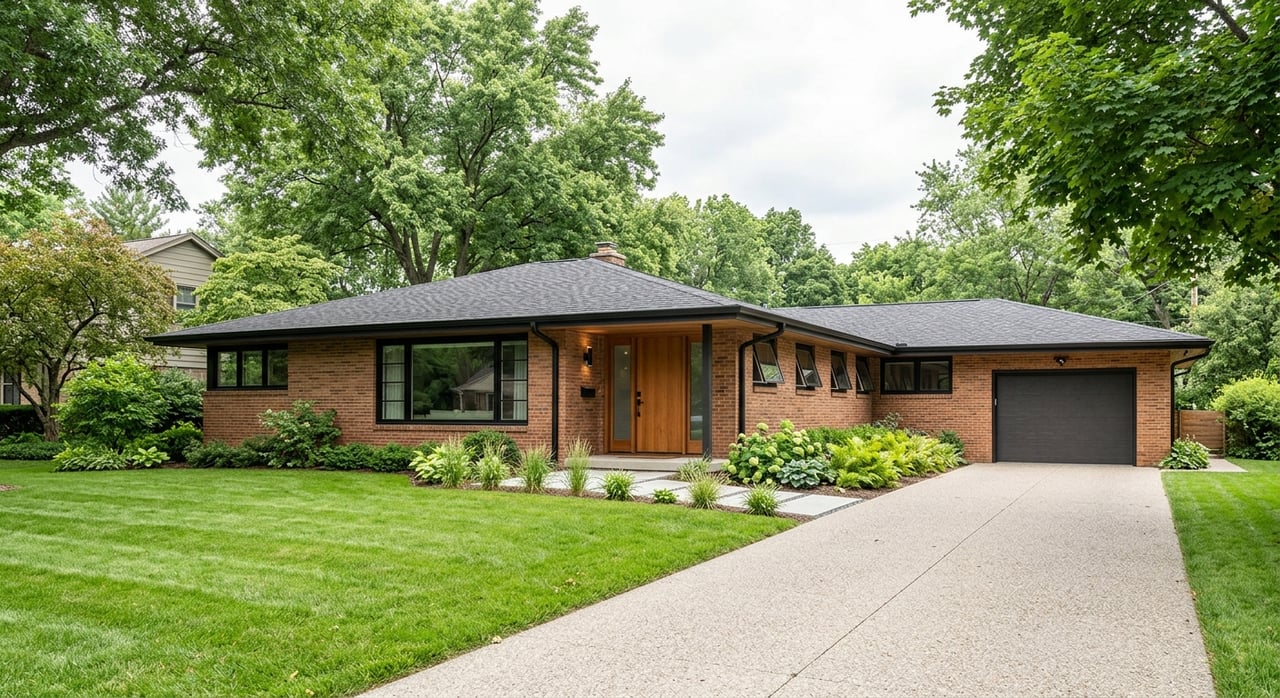
Bellevue is often described as suburban, and that is accurate. But it is not just one kind of housing repeated over and over.
Metro’s Bellevue plan says 22,804 acres, or 54% of the community’s total land acreage in 2015, were used for residential purposes, mostly single-family homes. Another 29% was classified as vacant residential land, which helps explain why the area still has room for gradual change in some places.
The plan also notes that 63% of Bellevue’s land has sensitive environmental features that make development more difficult. That has helped preserve the area’s open, wooded feel and has shaped the way growth happens.
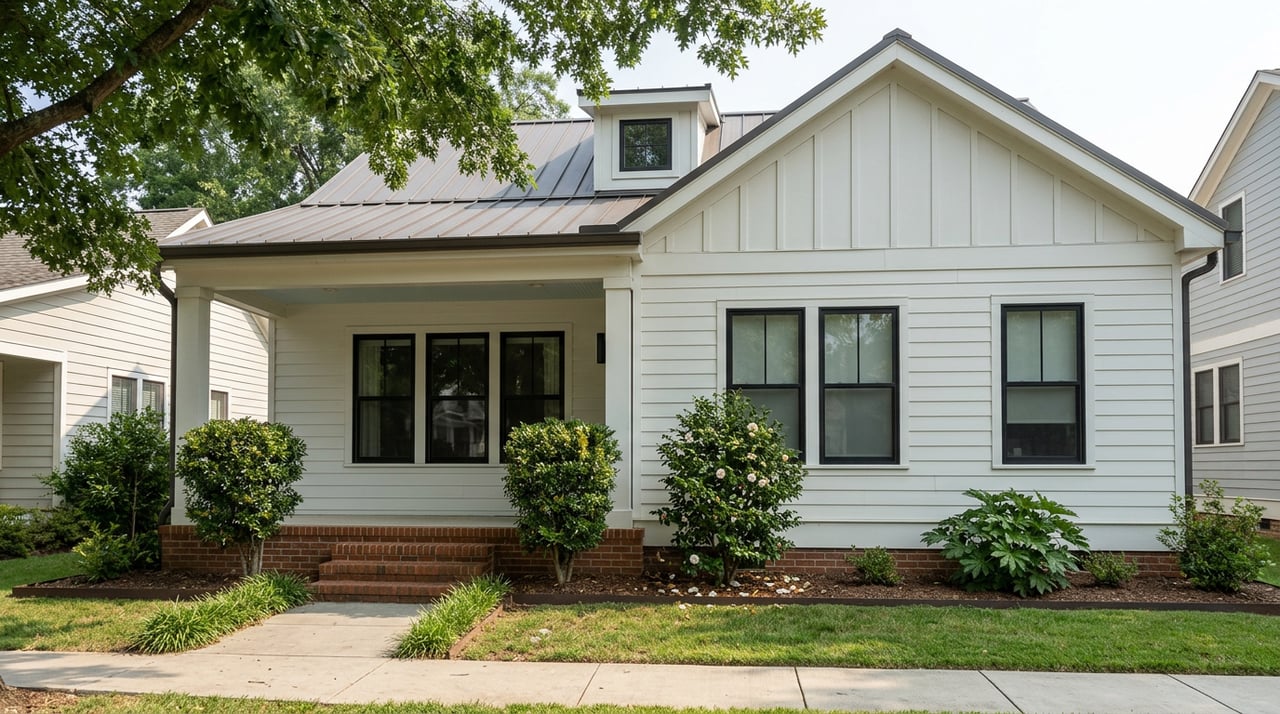
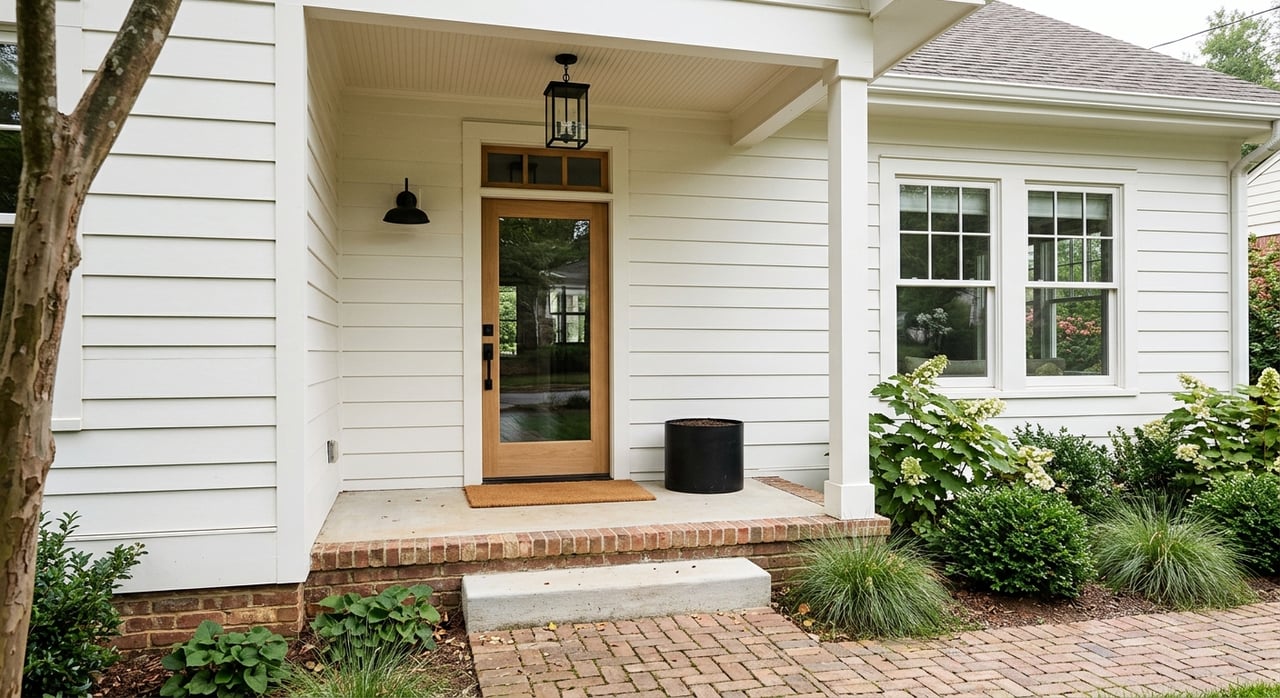
Bellevue offers more variety than many buyers expect. According to Metro’s plan, housing types range from rural homes to large-lot suburban homes, small-lot suburban homes, townhomes, stacked flats, and some multifamily buildings.
Earlier community-plan guidance also identified compact single-family homes, townhomes, and walk-up apartments as appropriate in medium-density areas. That means Bellevue can appeal to buyers in different stages of life, from first-time buyers to downsizers looking for less maintenance.
One of the most useful things to know about Bellevue is that it is suburban, but not one-note. Metro’s planning documents specifically say the community should maintain its residential character while also providing housing options for people at different life stages.
For you as a buyer, that means Bellevue may offer more flexibility than you expect. You might be looking for a traditional detached home, a townhome with less upkeep, or a housing option that better matches a new stage of life.
Bellevue is best understood as a residential area with centers and corridors rather than a dense urban district. Planning in the area pays attention to preserving established neighborhoods while guiding growth along key routes and activity areas.
That pattern shapes the experience of living there. You get a neighborhood environment that feels more spread out and scenic, with services and amenities woven into the broader community instead of concentrated in a single downtown-style core.
A River-Trace Urban Design Overlay along Highway 100 from the Harpeth River to the Natchez Trace also reflects that corridor-based approach. For residents, that often translates into a community that values both access and appearance along important roadways.
Bellevue functions primarily as a car-first area. Most day-to-day movement is likely to happen by car, which is important to understand if you are comparing it to more urban parts of Nashville.
That said, transit options do exist. WeGo’s Bellevue Park & Ride at 7650 Coley Davis Road is served by routes 3B, 70, and 88, and Route 70 includes frequent departures throughout the day on weekdays and Saturdays.
WeGo’s 3 West End route also includes Bellevue Park & Ride service to downtown Nashville. For some commuters, that can provide a helpful alternative to driving all the way into the urban core.
Bellevue often makes sense for people who want a suburban-residential setting, access to green space, and a location that still connects to Nashville employment centers. It can also appeal to buyers who want housing choices without giving up the feel of an established residential community.
If you are comfortable with driving as part of daily life and you value parks, open space, and practical neighborhood amenities, Bellevue may check a lot of boxes. It is a location where lifestyle fit matters just as much as square footage.
No neighborhood is perfect for everyone, and Bellevue is no exception. The area’s strengths are clearest if you want a more residential environment, outdoor access, and a setting that feels less dense than central Nashville.
At the same time, if your ideal neighborhood depends on highly walkable blocks, dense transit, or an urban street grid, Bellevue may feel more suburban than you want. Knowing that upfront can help you focus your home search on the places that truly match your day-to-day routine.
Bellevue is also shaped by natural features and long-term planning choices. That can be a positive if you appreciate wooded surroundings and gradual growth, but it is part of the reason the neighborhood feels distinct from faster-building parts of the region.
If you are thinking about buying in Bellevue or comparing it with other Greater Nashville neighborhoods, having local guidance can make the process much easier. Megan Smith can help you narrow down the right fit, understand your housing options, and move forward with a clear plan.
Stay up to date on the latest real estate trends.
Finding a home that is right for my client’s budget, lifestyle and personality is a responsibility I take seriously. Clients can expect my experience in evaluating market conditions and my proven negotiating skills will bring us the best outcome.