Comparing Franklin TN Family Neighborhoods for Your Next Chapter
February 5, 2026
February 5, 2026
Staring at maps of Franklin and wondering which neighborhoods actually fit your family’s daily life? You are not alone. Between school zones, commute times, and where your kids will play, the right choice can feel complicated. In this guide, you will get a clear, side‑by‑side way to compare Franklin neighborhood types, what they offer, and what to expect as a growing family. Let’s dive in.
Choosing where to live in Franklin usually comes down to five things: schools, commute, parks and activities, home style, and price. Start by picking the lifestyle you want day to day, then layer in school boundary checks and driving tests at your real commute times. A short list of 3 to 4 options will keep your search focused and productive.
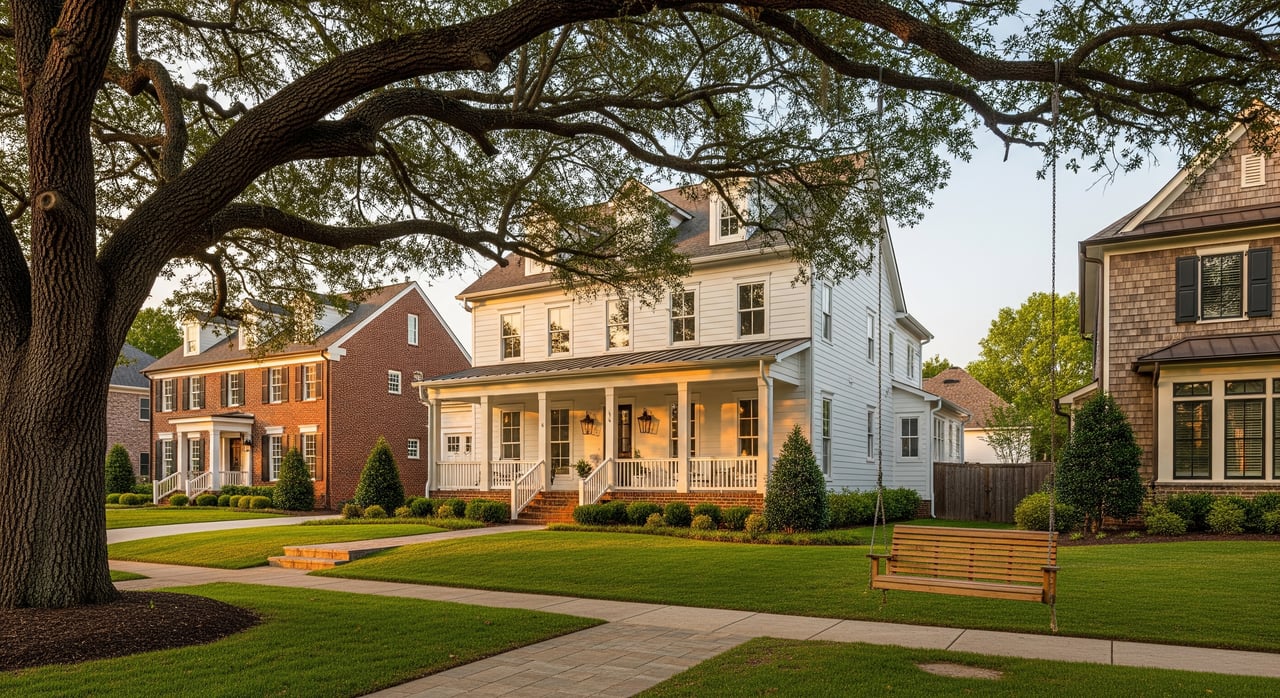
If you love character and walkable streets, the Old Historic District offers renovated cottages and late‑1800s to early‑1900s homes. Lots are smaller, and backyards are limited compared to suburban areas. You get easy access to Main Street, Franklin Theatre, festivals, and local shops. Expect fewer new builds and a higher price per square foot for preserved homes.
Neighborhoods like Westhaven and mixed‑use Berry Farms are designed for everyday convenience. You will find single‑family homes and townhomes with sidewalks, parks, pools, trails, and community programming. Yards are moderate in size, and HOAs maintain standards that support long‑term curb appeal. The trade‑off is HOA fees and design rules, but many families value the on‑site amenities and neighborhood events.
Close to major shopping, medical facilities, and employers, these subdivisions feature mid‑to‑large homes built from the 1990s through the 2010s, plus newer infill pockets. Expect cul‑de‑sacs, sidewalks, and a mix of neighborhood greenspace. Convenience is the headline here, especially if your schedule includes errands and after‑school activities. Nearby arterials can be busy during peak hours, so plan your regular routes.
South Franklin and areas near I‑65 interchanges continue to see new builds and attached products. These homes offer modern layouts, energy‑efficient systems, and lower immediate maintenance. Lots range from small to medium, and amenities may roll out in phases. Keep in mind that construction can continue nearby for some time as communities build out.
If you want space to spread out, properties toward Leiper’s Fork and the county’s edges provide larger homes on multiple acres. Privacy, room for hobbies, and potential for outbuildings are key benefits. You will drive for schools, groceries, and activities, and you may encounter wells or septic systems. Commutes are longer, but the trade‑off is space and flexibility.
Franklin involves two public systems in practice. Williamson County Schools (WCS) serves most of the county, and Franklin Special School District (FSSD) is a municipal K–8 district in parts of the city. If you live in the FSSD area, high school typically feeds into WCS. School assignment is address‑specific and can change with growth or rezoning. Always verify zones and enrollment policies directly with WCS and FSSD before you make any decision.
Many local schools show performance above state averages, though results vary by year and subzone. For an objective view, review Tennessee Department of Education School Report Cards. For parent‑focused snapshots and reviews, check GreatSchools and Niche. For child care and preschool, begin your search early since waitlists can be common.
Franklin’s outdoor network is a big draw for families. Harlinsdale Farm Park offers wide‑open green fields and regular community events. Pinkerton Park brings riverfront trails, a playground, and access points for water. The Franklin Greenway and multi‑use trails continue to expand, linking neighborhoods to parks and each other. For up‑to‑date facility lists and calendars, review City of Franklin Parks and Recreation resources.
I‑65 is the primary route into Nashville, with US‑31 as Franklin’s north‑south spine. State Route 96 and I‑840 provide alternate paths for certain trips. Off‑peak, the drive to downtown Nashville can be about 20 to 35 minutes depending on your starting point and destination. During rush hour, plan for 30 to 60 minutes or more due to congestion on I‑65 and key arterials.
Your best move is to test your commute at the actual times you will travel. Include school pickup in those trials, since traffic near campuses can add time. For families with multiple activities, look for neighborhoods close to your most frequent fields, studios, or clubs.
Entry‑level options often include townhomes, condos, or smaller single‑family homes in infill or attached‑product communities. Most family buyers shop mid‑range single‑family neighborhoods with homes around 1,800 to 3,500 square feet, depending on age, lot size, and location. Upper‑range choices include larger custom homes in master‑planned communities and acreage properties with premium finishes and space.
Expect HOAs in newer and master‑planned areas. These can guide exterior changes, landscaping, and rental policies, which helps maintain consistent standards. Older neighborhoods may have little to no HOA presence, which can mean more flexibility but fewer coordinated maintenance features. In new developments, lots and amenities are often released in phases, so ask about timelines and completion schedules.
Finding the right fit in Franklin is not about one perfect neighborhood. It is about choosing the mix of lifestyle, school logistics, commute, and budget that supports your family’s next chapter. If you want a guided shortlist and private tours tailored to your routine, reach out to Megan Smith. You will get local insight, a clear plan, and full‑service buyer support from the first showing through closing.
Stay up to date on the latest real estate trends.
Finding a home that is right for my client’s budget, lifestyle and personality is a responsibility I take seriously. Clients can expect my experience in evaluating market conditions and my proven negotiating skills will bring us the best outcome.