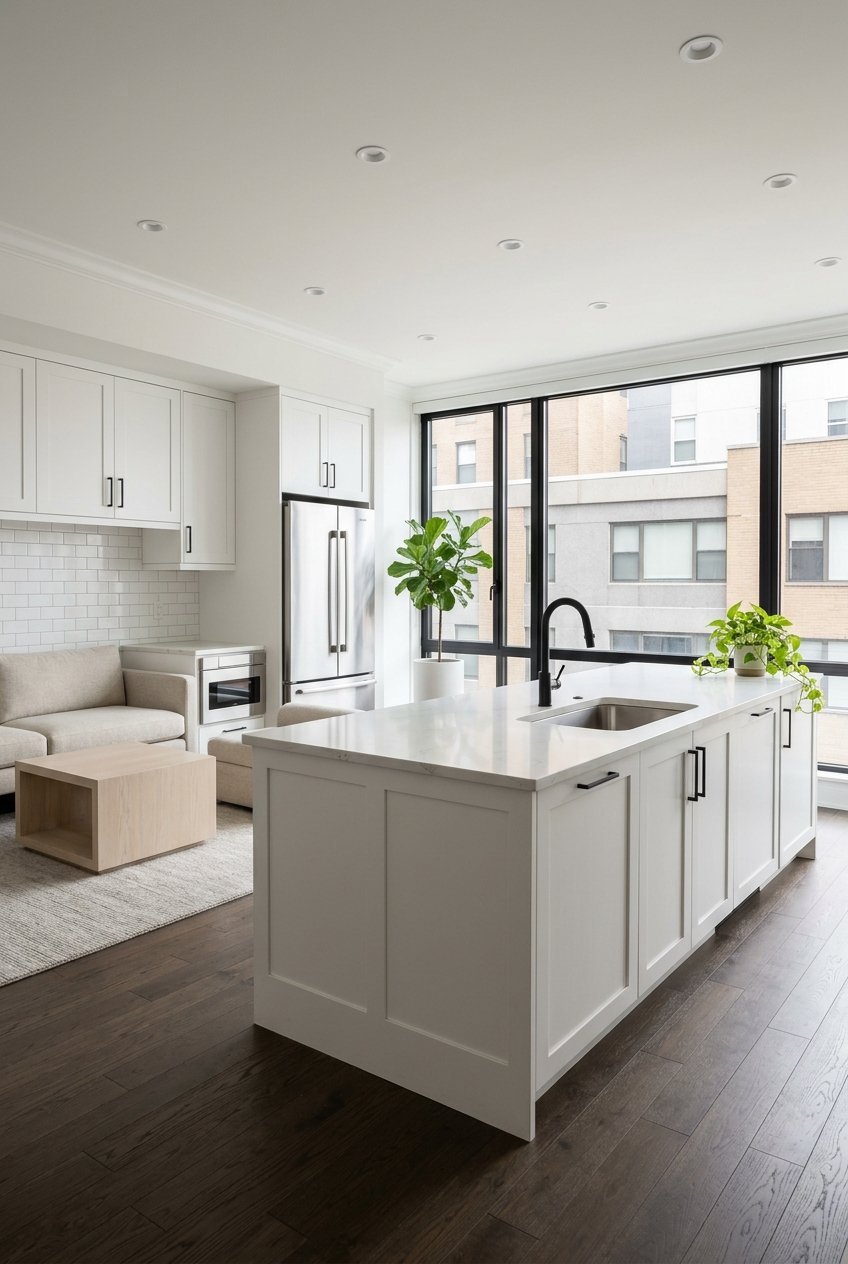
Downtown Nashville Condo Buying Tips for Smart Buyers
May 7, 2026
May 7, 2026
Thinking about buying a condo in Downtown Nashville? It can be an exciting move, but it also comes with a different set of questions than buying a traditional house. From HOA rules to parking, noise, and resale value, the details matter more than many buyers expect. This guide walks you through the key things to know so you can buy with more clarity and confidence. Let’s dive in.
Downtown Nashville is one of the county’s most active urban areas, shaped by government, entertainment, sports, and cultural uses. It is also home to a growing residential population, with the Nashville Downtown Partnership’s 2025 residential report showing about 22,000 residents downtown. That growth gives buyers more options, but it also means each building can feel very different from the next.
The housing mix also helps explain what you are likely to see as a buyer. Downtown’s residential mix is about 25% condo and 75% rental, with 2,975 units under construction and 9,846 planned or proposed. In practical terms, that means inventory can keep evolving, and buyers should compare not just units, but also the building, the block, and the long-term competition that may affect resale.
Walkability is one of the biggest reasons people choose this lifestyle. In the 2025 residential report, 52% of downtown residents said walkability was a top reason they live there. If you are considering a downtown condo, your daily convenience may matter more than yard space or extra square footage.
Many Downtown Nashville condo buildings offer strong amenities, but not all amenities deliver the same value for every buyer. Common features in purchase buildings include pools, rooftop terraces, fitness centers, covered parking or valet, balconies, club spaces, pet-friendly features, and sometimes on-site dining. That can make a building feel more like a lifestyle choice than just a place to live.
Examples in the downtown directory show how much buildings can vary. CityLights lists a pool, rooftop terrace, and on-site restaurant with room service. ICON lists a fitness center, pool, and covered parking, while The Place at Fifth + Broadway includes a resort-style pool deck, fitness center, dog run, and workspace.
The key is to look beyond the marketing. Ask yourself how you will actually use the amenities and how future buyers may view them. A tower with more shared features may also come with higher dues, while a simpler building may offer easier ownership if you care more about quiet, parking, or lower monthly costs.
When you buy a condo, you are not just buying the unit. You are also buying into a shared ownership structure governed by legal documents, budgets, and association rules. That is why condo due diligence is so important before you make a final commitment.
Under Tennessee condominium law, bylaws must define the board and officer structure, duties, terms, and amendment procedures. Associations must also keep financial records reasonably available to unit owners and mortgage holders. The law also says common expenses must be budgeted at least annually, and boards can levy assessments to help preserve the property or meet government requirements.
That means your review should go beyond the monthly HOA fee. You will want to understand whether the association appears well managed, whether reserves are being funded, and whether there are signs of future special assessments. A lower monthly fee is not always better if it means the building may be underprepared for repairs or major projects.
A strong downtown condo review packet should include the core documents and current financial details. Before you move forward, it is smart to review:
Tennessee law also states that unpaid assessments become a lien on the unit. The association must provide a written statement of unpaid assessments within seven days of a request. That makes it especially important to confirm the unit’s status and understand whether any unpaid amounts or upcoming charges could affect your ownership costs.
Insurance is another area where condo ownership differs from owning a detached home. Tennessee law requires condominium associations to maintain property insurance on common elements and liability insurance. The property coverage for common elements must be at least 80% of replacement cost when reasonably available.
In general, the association is responsible for common elements, while the unit owner is responsible for the unit itself. That division matters when you are planning your own insurance coverage and monthly budget. Before closing, make sure you understand what the HOA policy covers and where your own responsibility begins.
If you are buying with future rental flexibility in mind, do not assume every downtown condo allows the same use. Nashville requires a short-term rental permit before a property can be listed, and the city’s permit checklist requires a statement confirming that the proposed use does not violate any HOA, condominium, covenant, or other governing document. In addition, Tennessee law allows condominiums and similar associations to prohibit or restrict short-term rental use in their governing documents.
This is one of the biggest reasons buyers should read the condo documents early. If your long-term plan includes renting the unit, whether occasionally or more consistently, you need to know exactly what the building allows. A unit can be appealing on paper, but if the governing documents do not fit your goals, it may not be the right purchase.
Parking is one of the most important quality-of-life factors in Downtown Nashville. Some buyers assume parking comes standard with a condo, but that is not always the case. In many parts of downtown, parking is not required, which helps explain why some buildings offer limited assigned parking, nearby garage access, or valet instead of large resident parking allocations.
Public parking rules also matter. NDOT manages public parking resources and enforces Metro’s parking code, while on-street paid parking downtown is enforced 24/7. If you expect guests to visit often, or if you have more than one vehicle, parking logistics deserve a close look.
There is also a downtown residential parking permit program. The Downtown Nashville Residential Parking Permit costs $25 per year, and visitor permits cost $5 for up to 14 days. Even so, permit access does not replace the value of secure or assigned parking in your building, especially if you want easier day-to-day living or stronger resale appeal.
One major reason buyers choose Downtown Nashville is convenience. The area offers 70 miles of sidewalks, and the John Seigenthaler Pedestrian Bridge connects downtown to the east bank. Downtown also includes Nashville BCycle access and WeGo Central, which serves as the main transit hub.
If you travel often, Route 18 provides express service to BNA. That can be a useful feature for buyers who want an in-town home base with transportation options beyond driving. Just keep in mind that e-scooters are not allowed on sidewalks in the downtown core, which can affect how you picture short local trips.
Downtown living can be fun and convenient, but it also comes with more event-related activity than many other parts of the region. Bridgestone Arena seats about 20,000 for concerts and also hosts major sports and entertainment events. Riverfront Park and Walk of Fame Park also bring regular concerts, festivals, and crowds.
That means noise and congestion can vary quite a bit depending on the building and even the unit’s orientation within the building. Buyers should expect periodic nighttime noise, traffic surges, delivery delays, and road closures, especially near Broadway, arena blocks, and riverfront venues. A condo that feels peaceful on one afternoon may feel very different during a weekend event.
The Downtown Code also notes that sites adjacent to rail corridors or interstates should provide noise buffers. That is a helpful reminder to pay attention to more than the address alone. Floor level, window placement, balcony exposure, and the direction a unit faces can all shape your day-to-day experience.
Not every downtown condo will compete the same way when it is time to sell. With more units under construction and more planned or proposed, future buyers may have a wider range of choices. In that kind of market, the most marketable units often stand out for specific reasons.
Features that can help resale include a desirable floor plan, better views, balcony space, secure or assigned parking, and a well-run association. Rental policies also matter because they affect which future buyers may be interested in the unit. The more clearly a condo fits a buyer’s lifestyle and practical needs, the easier it may be to position when resale time comes.
Buying a condo downtown is about more than finding a beautiful interior. You are also choosing a building, a set of rules, a monthly cost structure, and a location that will shape your daily life. The best decisions usually come from balancing lifestyle goals with careful document review and block-by-block comparison.
If you are buying in Downtown Nashville, it helps to have a clear process from the start. That includes comparing buildings, reviewing HOA details, thinking through parking and noise, and looking ahead to resale. With the right guidance, you can narrow your options faster and make a more confident move.
If you are considering a condo in Downtown Nashville and want a local, process-driven approach, Megan Smith can help you compare options, understand the details, and move forward with clarity.
Stay up to date on the latest real estate trends.


Finding a home that is right for my client’s budget, lifestyle and personality is a responsibility I take seriously. Clients can expect my experience in evaluating market conditions and my proven negotiating skills will bring us the best outcome.