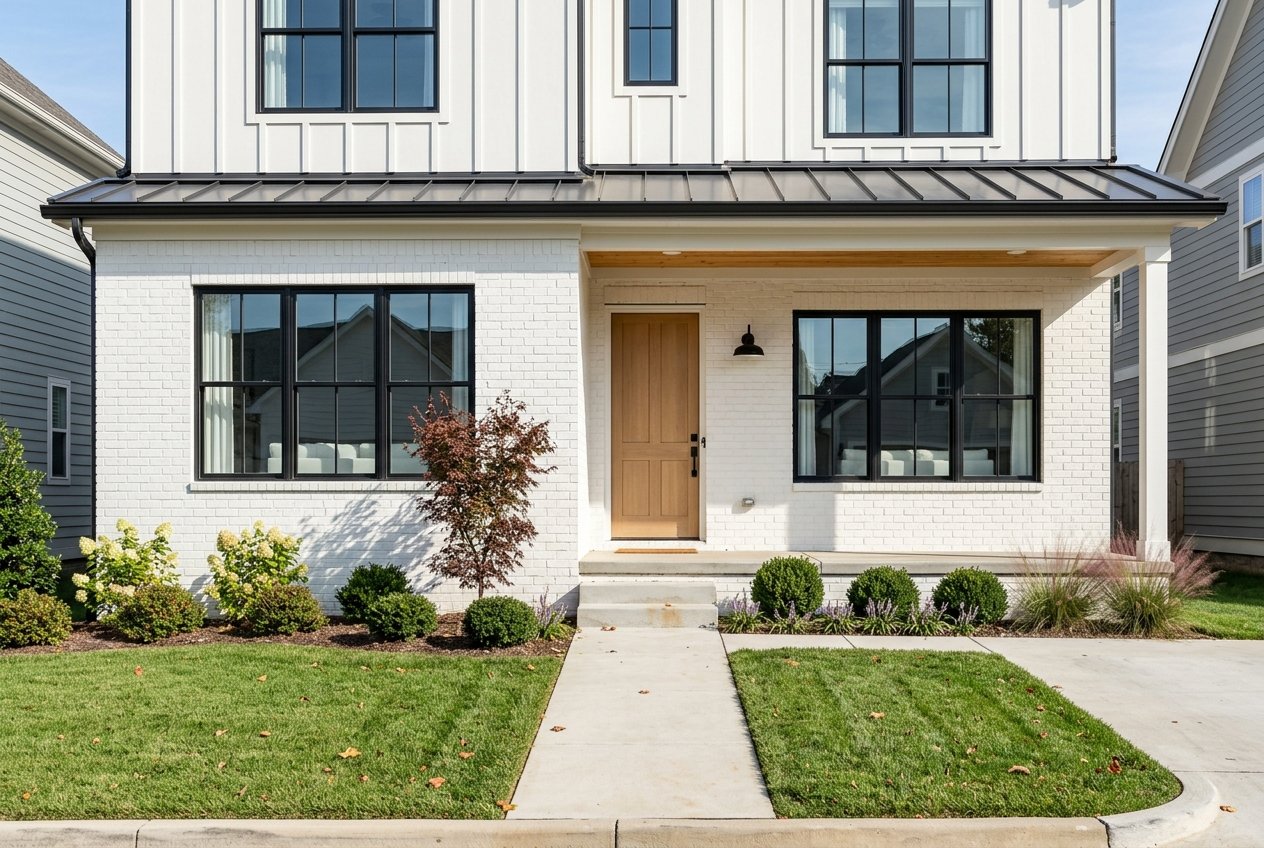
West Nashville Home Buyers Guide for Your First Home
May 14, 2026
May 14, 2026
Buying your first home in Nashville can feel like a tug-of-war between budget, location, and lifestyle. If West Nashville keeps popping up on your list, you are not alone. This area offers an in-town feel, recognizable neighborhood character, and a mix of housing types, but it also comes with real trade-offs on price and pace of change. This guide will help you decide whether West Nashville fits your goals, budget, and day-to-day life. Let’s dive in.
West Nashville is not one single, uniform neighborhood. It is better understood as a group of west-side neighborhoods and corridors, including places like Sylvan Heights, Sylvan Park, The Nations, White Bridge, Whitland Area, and West Meade.
That matters when you are buying your first home because your experience can vary a lot from one pocket to the next. Some areas feel more residential and established, while others are more tied to major corridors and ongoing redevelopment.
Metro Nashville’s West Nashville planning framework points to continued focus on mobility, connectivity, complete streets, and mixed-use change in certain subareas. In simple terms, West Nashville is established, but parts of it are still evolving.
If you are hoping for the lowest-priced first home in Davidson County, West Nashville may feel like a stretch. As of March 2026, the median sale price in West Nashville was $675,000, compared with $470,000 for Nashville overall.
That gap is important. It means many first-time buyers need either a larger budget, more flexibility on size and condition, or openness to an attached home instead of a detached house.
West Nashville also moved at a measured pace, with homes taking a median 95 days to sell. For buyers, that can create a little more room to compare options carefully instead of feeling like every decision has to happen instantly.
A first home in West Nashville does not always look like a classic starter house. The local inventory includes houses, condos, townhouses, and a small amount of multifamily product.
Recent sales show just how wide that range can be. Attached homes have sold in the low-to-mid $300,000s, while larger properties can climb well above $1 million.
That makes one thing clear: your entry point in West Nashville is often tied to property type. If you are open to a condo or townhouse, you may have more workable options than if you want a renovated detached home right away.
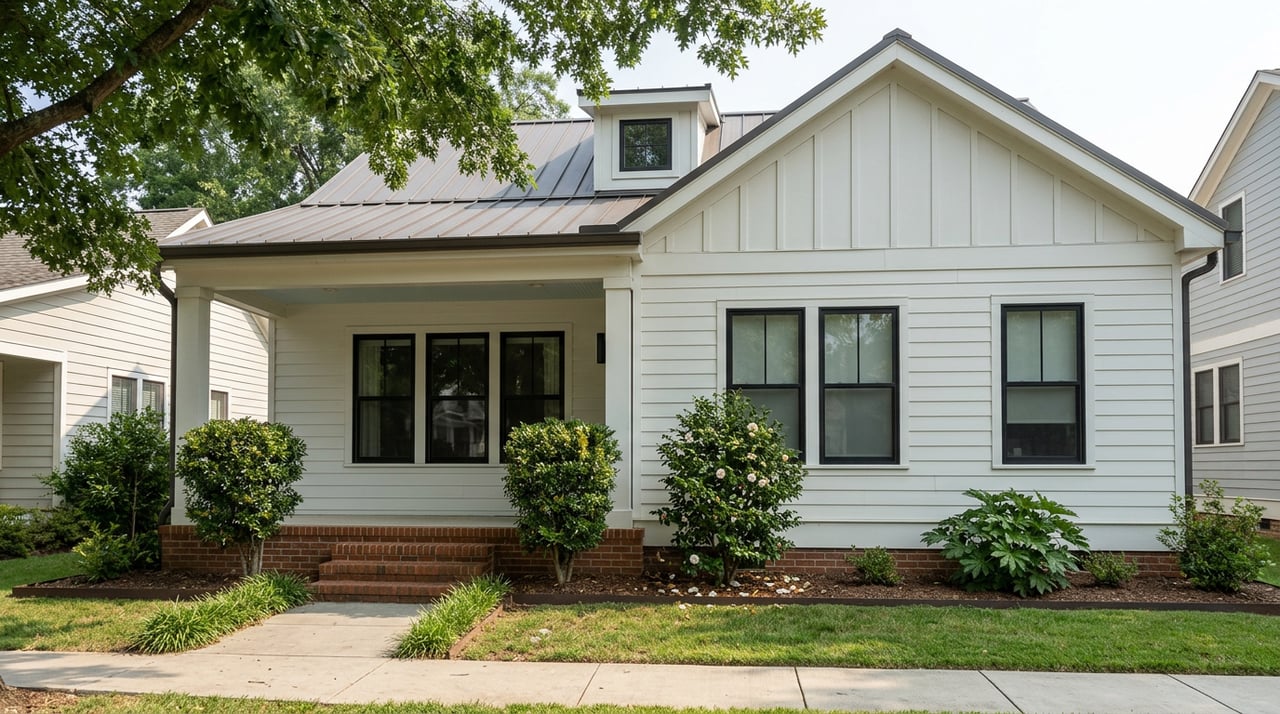
West Nashville has a mix that many buyers find appealing. You can still find older cottages and renovated single-family homes, including examples from the 1930s in areas like Sylvan Park.
At the same time, newer attached construction is also part of the market, especially in The Nations and nearby west-side pockets. Some of that newer product has launched around $549,900 to $599,000, which shows that new construction is available, but not necessarily at entry-level pricing.
For many first-time buyers, West Nashville is about more than the house itself. It is a location choice tied to convenience, neighborhood feel, and access to restaurants, parks, and daily essentials.
If you work downtown or near Midtown, West Nashville can be especially appealing. Its commute pattern is largely corridor-based, with access shaped by major routes like Charlotte Pike and West End.
WeGo Public Transit operates frequent west-side service on Route 3 West End and Route 50 Charlotte Pike. Route 3 serves stops such as White Bridge Pike and Charlotte before heading downtown, and Route 50 also connects White Bridge Station with downtown.
That does not mean every block feels equally connected. In West Nashville, commute ease and walkability can vary a lot depending on exactly where you buy.
One of the biggest reasons buyers choose West Nashville is that it offers several distinct neighborhood experiences. If you are trying to picture your weekends, your coffee run, or how often you want to get in the car, the specific pocket matters.
Sylvan Park is often a useful reference point for the kind of lifestyle many buyers want in West Nashville. The neighborhood association describes it as about 4 miles from downtown, or roughly 15 minutes southwest, with locally owned restaurants and shops within walking distance.
The area also includes access to McCabe Park and Golf Course and the Richland Creek Greenway. For buyers who want outdoor space, neighborhood businesses, and an established in-town rhythm, that combination can be a strong draw.
The Nations has a different vibe. Its official neighborhood guide highlights local shops, eateries, parks, bars, breweries, coffee spots, and community amenities such as West Park and Community Center.
For some first-time buyers, that energy is a major plus. If you like the idea of being in an active west-side pocket with newer housing mixed into the area, The Nations may feel like a better fit than a quieter, more traditional street.
Charlotte Avenue is also part of the West Nashville story. It functions as both a major travel corridor and a lifestyle corridor, with dining and gathering spots woven into the area.
That can be a real advantage if you want convenience close by. It also reinforces the idea that some parts of West Nashville feel more mixed-use and in transition than others.
West Nashville can be a great first-home choice if you care as much about location and daily lifestyle as you do about square footage. Buyers who tend to do well here usually value being close in, having neighborhood personality, and accepting that affordability may require compromise.
You may be a strong fit for West Nashville if:
Not every first-time buyer should force West Nashville to work. If your top goal is finding the lowest possible entry price in Davidson County, there may be other areas that align better with your budget.
It may also be less ideal if you want a fully settled environment with very little redevelopment or construction activity. Because parts of West Nashville continue to evolve, your experience can depend heavily on the street, block, and corridor you choose.
You may want to think twice if:
The best way to judge West Nashville is to be clear about your trade-offs. If you want neighborhood character, access to restaurants and greenways, and a closer-in address, West Nashville may justify a higher price or a smaller home.
If your top priority is stretching your budget as far as possible, the area may feel harder to justify. That does not make it a bad market. It just means your first-home strategy needs to match what West Nashville actually offers.
A practical way to evaluate the area is to compare each option through the same lens:
West Nashville is rarely the cheapest answer. But for many buyers, it can still be the right one.
If you are trying to sort through those trade-offs, working with someone who knows how West Nashville’s pockets differ can make the process much clearer. Megan Smith offers first-time buyer guidance, local neighborhood insight, and a steady, hands-on approach to help you find the right fit with confidence.
Stay up to date on the latest real estate trends.
Finding a home that is right for my client’s budget, lifestyle and personality is a responsibility I take seriously. Clients can expect my experience in evaluating market conditions and my proven negotiating skills will bring us the best outcome.