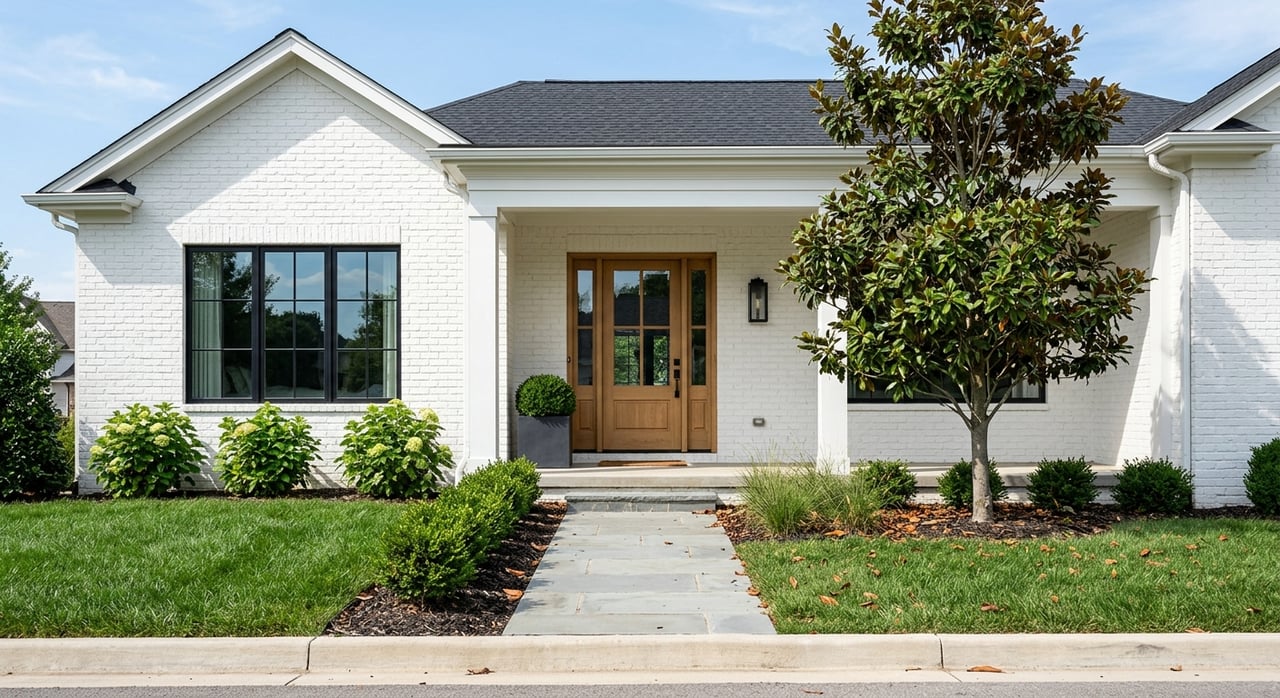
Franklin First-Time Homebuyer Guide: Buy Smarter
April 23, 2026
April 23, 2026
Buying your first home in Franklin can feel exciting right up until you start looking at prices, taxes, loan options, and all the local details that do not show up in a listing photo. If you are trying to make a smart first purchase here, you are not alone, and it helps to have a clear plan before you start touring homes. This step-by-step guide will show you how to prepare, what to watch for in Franklin, and how to move forward with fewer surprises. Let’s dive in.
Franklin is a desirable market, but it is not usually a low-cost one. The local market context in the research shows a median sale price of $835,000 in March 2026, which means first-time buyers often need to budget carefully and stay realistic about what fits their goals and finances.
That does not mean buying here is out of reach. It means your first win is getting clear on what you can comfortably afford, what tradeoffs matter most to you, and which local details need to be verified before you write an offer.
Before you browse homes, take a close look at your full financial picture. The Consumer Financial Protection Bureau recommends reviewing your credit, savings, income, debt, and upcoming expenses so you know what you can handle now, not just what a lender might approve.
Your budget should include more than a down payment. You also need to plan for closing costs, moving expenses, utility set-up fees, homeowners insurance, property taxes, and ongoing maintenance.
A good home budget usually includes:
This is especially important in Franklin, where two homes with similar prices can still have very different monthly costs based on taxes, insurance, HOA fees, and upkeep.
Many first-time buyers assume they need 20 percent down. In reality, the CFPB explains that many loans require as little as 3 percent down, and HUD notes that FHA loans typically require 3.5 percent.
If you put down less than 20 percent on many conventional loans, you should expect mortgage insurance. That does not automatically make the loan a bad choice, but it does affect your monthly payment, so it needs to be part of your comparison.
If you are buying in Tennessee for the first time, THDA programs may also be worth a look. The Great Choice Home Loan can pair with Great Choice Plus for down payment or closing-cost assistance, and THDA says homebuyer education is required for its loans.
Once your finances are organized, the next step is preapproval. The CFPB describes a preapproval letter as a tentative lender commitment up to a certain amount, and it can help you catch issues early while showing sellers you are a serious buyer.
Preapproval also helps you set search boundaries. Instead of asking, “Could I buy this house?” you can ask, “Does this home fit my payment comfort zone and my long-term goals?”
Just remember that preapproval is not final loan approval. You still have to go through underwriting, appraisal, and final document review before closing.
One of the smartest things a first-time buyer can do is compare multiple lenders early. The CFPB recommends comparing Loan Estimates and focusing on lender-controlled fees, five-year borrowing cost, and opportunities to negotiate.
A slightly lower rate does not always mean a better deal. Fees, credits, mortgage insurance structure, and closing timelines can all affect which lender is truly the best fit.
It is also wise not to switch lenders late in the process unless you have a strong reason. The CFPB notes that late changes can delay your closing.
Before you tour homes, decide what matters most to you. In Franklin, location decisions often involve more than square footage and finishes.
You may want to compare:
The local tax piece is easy to miss. The City of Franklin property tax information shows that city tax rates and total rates can vary depending on the area, including whether a home falls in Franklin-only or Franklin/FSSD areas. That means taxes should be part of your neighborhood review before you make an offer, not after.
School assignment is also address-specific. Williamson County notes there are two public school systems, and the county explains that school zones should be verified by exact address, since boundaries can change as capacity changes.
The home search goes more smoothly when you have guidance from someone who understands local tradeoffs. The CFPB advises choosing an agent with experience in your preferred price range, neighborhoods, and property type.
In Franklin, that local knowledge matters. A home may look perfect online, but your decision could also be shaped by tax district, lot characteristics, historic overlay rules, commute flow, or future maintenance expectations.
Having a process-oriented local guide can help you narrow choices faster and avoid surprises that first-time buyers often discover too late.
It is easy to get emotional when you find a home you like, especially in a market where good homes can attract attention quickly. That is why it helps to tour with a simple framework instead of relying only on first impressions.
As you tour, ask yourself:
For some Franklin properties, ownership expectations may be different than you think. The city notes that historic zoning can apply in addition to base zoning, and exterior changes within Historic Preservation Overlay areas are reviewed under design guidelines. That is important to understand before you buy, especially if you already have renovation ideas.
When you are ready to offer, protect yourself with the right contingencies whenever possible. The CFPB explains that a contract can be structured so you are not obligated to close if financing fails or the inspection reveals serious issues.
In a competitive market, buyers sometimes feel pressure to waive protections to make an offer look stronger. For a first-time buyer, that can create more risk than reward.
A strong offer is not just about price. It is also about understanding your terms, your timeline, and your comfort level if something changes during the contract period.
Once you are under contract, move quickly on the inspection. The CFPB recommends getting a thorough, independent inspection and attending if possible.
This step protects you. An inspection can uncover issues with roofing, systems, drainage, structure, or deferred maintenance that may not be obvious during a showing.
It also helps to remember that an appraisal and an inspection are not the same thing. The appraisal supports the lender’s decision, while the inspection is for your protection and can help support repair requests or a contract exit if your agreement allows it.
As closing gets closer, slow down and review every number carefully. The CFPB says the official Closing Disclosure should arrive at least three days before closing, giving you time to compare it with your Loan Estimate.
Focus on the items that matter most:
If something looks different than expected, ask questions immediately. Closing is not the time to assume everything is correct.
Your down payment is only part of the story. The CFPB’s closing guidance and homebuying resources both point to the importance of planning for closing costs and ongoing ownership expenses.
Once you move in, you may face repairs, maintenance, utility changes, insurance adjustments, or HOA-related costs. Keeping cash reserves can make your first year of ownership far less stressful.
For many first-time buyers, the smartest question is not just, “Can I get to closing?” It is, “Can I still feel comfortable the month after closing?”
Even well-prepared buyers can make avoidable mistakes. In Franklin, a few stand out because local costs and property details can change the ownership experience more than expected.
Watch out for these common issues:
These are the kinds of details that can turn a good purchase into a stressful one if they are not checked early.
Buying your first home in Franklin does not have to feel overwhelming. When you break the process into clear steps, compare your true monthly costs, verify local details early, and keep protections in place, you can make a confident decision that fits both your budget and your future.
If you want local guidance as you prepare to buy in Franklin, Megan Smith offers first-time buyer support with a clear, hands-on process built around your goals.
Stay up to date on the latest real estate trends.





Finding a home that is right for my client’s budget, lifestyle and personality is a responsibility I take seriously. Clients can expect my experience in evaluating market conditions and my proven negotiating skills will bring us the best outcome.