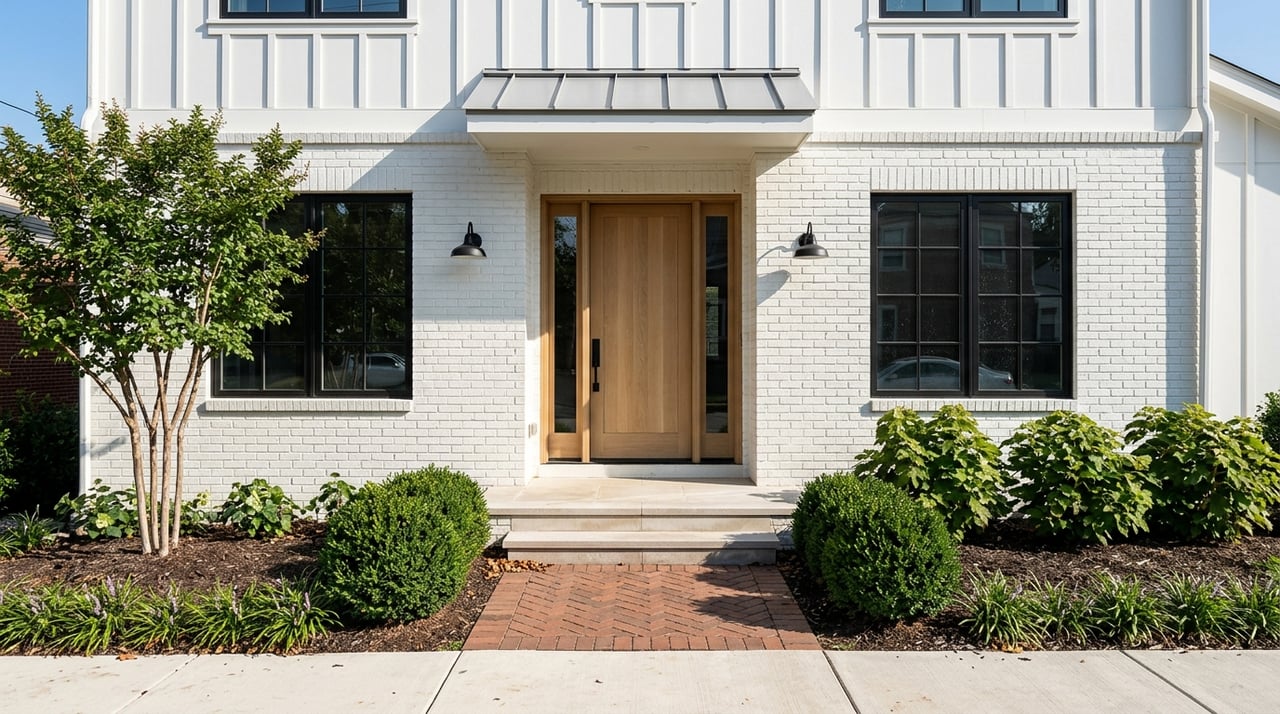
West Nashville vs Downtown: Discover Your Best Neighborhood Fit
April 16, 2026
April 16, 2026
Trying to choose between West Nashville and Downtown? That decision can shape your budget, commute, daily routine, and even how you spend your weekends. If you are relocating, buying your first place in Nashville, or simply narrowing down where to live next, it helps to compare these areas in a practical way. This guide breaks down housing, walkability, lifestyle, and pricing so you can figure out which fit feels right for you. Let’s dive in.
West Nashville and Downtown Nashville offer two very different versions of city living. According to the Nashville community character manual, Downtown is the city’s densest mixed-use core and has evolved into a more active 24-hour environment.
West Nashville, by contrast, is not just one neighborhood. It is a collection of areas with different feels, from more walkable inner-west pockets to quieter, more car-oriented sections farther west. That means your experience in West Nashville can vary a lot depending on whether you are looking in places like The Nations, Sylvan Park, Whitebridge, or Charlotte Park.
If you want to be in the middle of the action, Downtown is the stronger match. Apartments.com describes Downtown Nashville as the city’s entertainment and live music hub, with easy access to Lower Broadway, museums, arenas, restaurants, and Riverfront transit connections.
Downtown also tends to attract people who want more of their day-to-day life within walking distance. Whether that means grabbing dinner, meeting friends, catching a game, or getting around without driving everywhere, the area is built for a faster and more connected pace.
Downtown housing leans heavily toward:
That gives you a more vertical, lock-and-leave style of living. If you prefer lower-maintenance housing or want an in-town property close to jobs and entertainment, Downtown often checks those boxes.
Downtown is typically the more expensive ownership market in this comparison. Redfin reports a median sale price of about $839,000 in Downtown Nashville.
For renters, the average 1-bedroom rent is about $1,323, based on the Downtown data in the Apartments.com neighborhood overview. That makes Downtown competitive, but not automatically the highest-priced rental option when compared with every pocket of West Nashville.
West Nashville tends to work well if you want more housing variety and a more residential feel while still staying close to the urban core. Instead of one uniform setting, you get a range of neighborhoods with different price points, levels of activity, and housing styles.
That flexibility is one of West Nashville’s biggest strengths. You may find a neighborhood-scale environment with restaurants and local hangouts, or a calmer pocket where daily life feels more removed from the intensity of Downtown.
West Nashville offers a broader housing mix than Downtown. Recent neighborhood guides highlighted in the research show:
That range can appeal to buyers and renters who want more choice in layout, home style, and setting.
Redfin’s West Nashville market data shows a median sale price of about $695,000. That is lower than Downtown’s median sale price, but it still places West Nashville in a higher-price segment of the broader Nashville market.
For renters, West Nashville is less predictable because prices vary by pocket. Apartments.com reports average 1-bedroom rents of about $1,747 in The Nations, $1,567 in Sylvan Park, $1,257 in Whitebridge, and $1,308 in Charlotte Park. In other words, West Nashville is not always cheaper than Downtown, especially in some inner-west neighborhoods.
Your daily routine matters just as much as your housing budget. If you want to walk more often and drive less, Downtown has a clear advantage.
Redfin scores Downtown Nashville at 83 for Walk Score, 66 for Transit Score, and 67 for Bike Score. Those numbers support what many people notice right away: Downtown is the easier place to live if you want errands, entertainment, and transit options close together.
West Nashville is much more mixed. Walk Score data shows a range from 68 in West End Park to 51 in Sylvan Park, 43 in Urbandale Nations, and 32 in Charlotte Park.
That tells you something important. In West Nashville, walkability depends heavily on the exact neighborhood, so it is smart to evaluate each pocket on its own instead of assuming the whole area feels the same.
If you work in the city center or want the strongest transit access, Downtown is usually the easier choice. WeGo Public Transit operates its main downtown hub at the Elizabeth Duff Transit Center at WeGo Central, and Riverfront Station also connects with the WeGo Star and bus service.
WeGo also runs 27 local bus routes and nine regional routes, including corridors such as 3 West End and 50 Charlotte Pike. That makes Downtown the better fit if you want more transportation options without relying on a car for every trip.
West Nashville can still offer a practical commute, especially if you need quick road access to core job centers. But the overall pattern is more car-centered, with less transit density than Downtown.
For many people, that tradeoff is worth it. You may give up some transit convenience in exchange for more housing variety or a quieter home base.
One of the best ways to choose between these two areas is to think about your preferred pace of life. Downtown suits people who want a highly active setting with nightlife, entertainment, and a true city-center rhythm.
West Nashville generally suits people who want to stay connected to Nashville while enjoying a more residential tone. Research highlighted Whitebridge and Charlotte Park as calmer areas, while The Nations and Sylvan Park offer more dining and neighborhood activity.
Downtown may fit you better if you want:
West Nashville may fit you better if you want:
There is no one-size-fits-all answer. If your top priorities are walkability, nightlife, and transit, Downtown is likely the stronger match. If you want more neighborhood variety, a calmer feel, and a wider mix of housing options, West Nashville may be a better fit.
The key is to match the area to how you actually live. Your budget, work location, housing style, and tolerance for driving should all play a role in the decision.
If you want help comparing specific pockets in West Nashville or weighing Downtown condo living against nearby neighborhood options, Megan Smith can help you sort through the tradeoffs and find the right fit for your move.
Stay up to date on the latest real estate trends.
Finding a home that is right for my client’s budget, lifestyle and personality is a responsibility I take seriously. Clients can expect my experience in evaluating market conditions and my proven negotiating skills will bring us the best outcome.