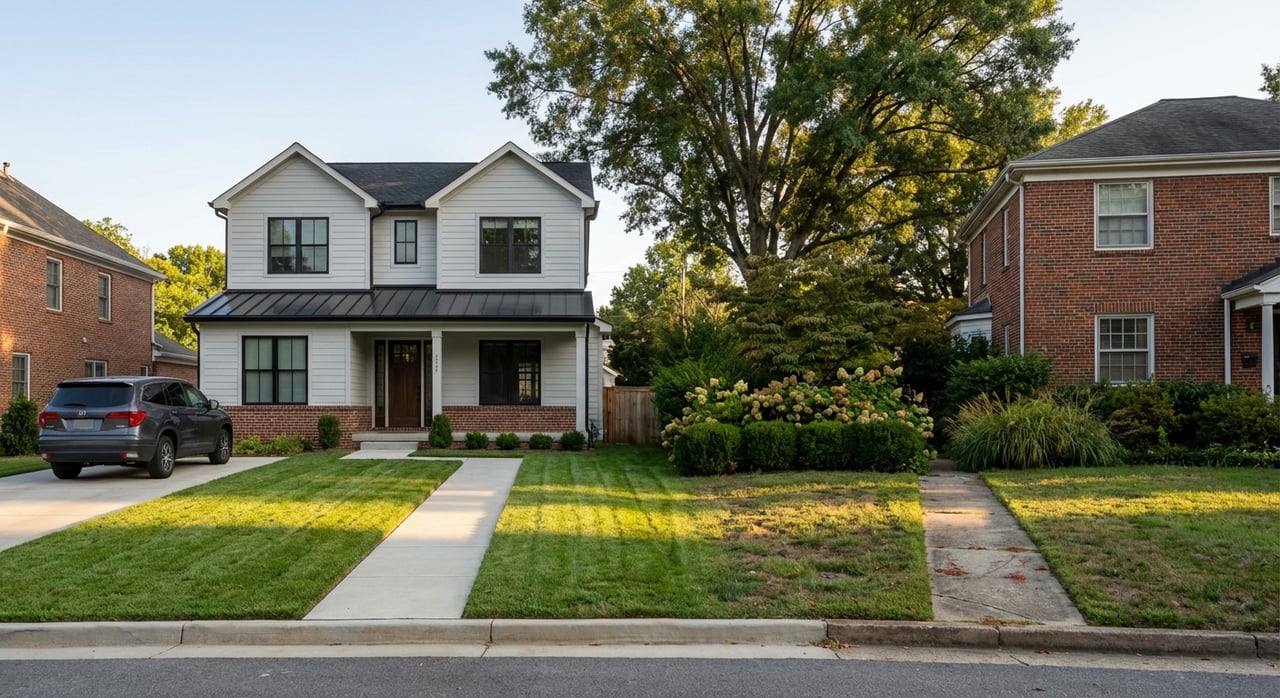
Nolensville New Construction Homes vs. Established Neighborhoods
February 19, 2026
February 19, 2026
New to Nolensville and torn between a shiny new build and a tree‑lined established neighborhood? You are not alone. As families move up or relocate to Williamson County, the choice often comes down to timeline, lot size, HOAs, and long‑term value. In this guide, you will learn the key tradeoffs, what to check before you write an offer, and how to plan your move with confidence. Let’s dive in.
Nolensville has grown quickly over the past decade, and that growth is shaping your options today. The 2020 Census counted 13,829 residents, up from about 5,861 in 2010, reflecting strong demand in the greater Nashville area. You will see active building and neighborhood expansion across town. If you are new to the area, start with a quick orientation to the town’s growth and history in Nolensville’s overview.
Market prices vary by data source and timing, so use date‑stamped figures. As of late 2025 to early 2026, summaries showed typical Nolensville values in the upper 700s to 800s, with Zillow’s Nolensville index near $819,495 as of January 31, 2026, Redfin’s headline median around $839,000 in December 2025, and Realtor.com listing medians near $799,000 in October 2025. Treat those as directional, then confirm live numbers before you set a budget.
Families often ask about schools. Nolensville is generally served by Williamson County Schools, including Nolensville Elementary, Mill Creek Middle, and Nolensville High. Because school boundaries can change over time, verify current maps and any planned rezoning directly with Williamson County Schools.
New construction in Nolensville usually sits in upper price bands, with many single‑family options spanning roughly the $700,000 to $1.5 million range, and higher for custom homes. Established neighborhoods are more varied and can include both approachable entry points and larger estate lots. Compare multiple live comps within the same neighborhood to understand realistic pricing.
Your speed to keys depends on the path you choose. If you buy a completed spec home, you could move in within weeks or a few months. A to‑be‑built production home often takes about 4 to 9 months, while a true custom build can take 9 to 18 months or more. Industry summaries that draw on U.S. Census data place most builds in the 7 to 12 month range, but local schedules vary, so use the builder’s milestone calendar and keep room for weather or supply delays. For a helpful overview of timelines, see this construction timing guide.
If yard space and privacy top your list, established Nolensville neighborhoods are often attractive. Many older subdivisions feature lots around 0.25 to 0.5 acres, and some enclaves offer even larger parcels. Newer communities can run smaller and denser, with many lots closer to 0.15 to 0.33 acres depending on the phase.
Mature communities also provide shade trees, settled landscaping, and complete amenity sets from day one. In a new phase, the canopy, buffers, and common areas need time to fill in. That affects curb appeal, privacy, and even yard maintenance during the first few years. For a broader take on how new‑build pros and cons balance out, review this new construction pros and cons overview.
In Tennessee, single‑family HOAs are governed mainly by their recorded documents and general nonprofit law, with some targeted statewide rules. There is not a single all‑purpose state statute that standardizes every association detail. That means your due diligence matters. Learn more about the state framework in this Tennessee HOA law summary.
Dues vary widely in Nolensville. Some neighborhoods have low monthly fees that cover common area upkeep, while amenity‑rich communities with pools and clubhouses run higher. For example, Burkitt Place is a long‑standing planned neighborhood with community pools, parks, and trails that illustrate how established HOAs often bundle amenities and maintenance. You can get a feel for its community offerings in this Burkitt Place profile. Always verify the exact fee, what it covers, whether there are special assessments, and whether the HOA maintains a reserve study.
New homes typically come with layered builder warranties. A common pattern is one year for workmanship, two years for systems, and ten years for structural components. You also get new insulation, windows, and HVAC, which can lower early maintenance risk and utility costs. If you prefer a move‑in ready feel with fewer near‑term projects, new construction may fit your style. If you value established charm and larger lots, plan for routine updates and inspections on a resale home.
If you plan to build, you will likely look at a construction‑to‑permanent (one‑time‑close) loan or a two‑step process with a construction loan that converts to a standard mortgage later. Fannie Mae and FHA both support construction‑to‑permanent programs with specific guidelines. A good lender will walk you through rate‑lock options and draw schedules. To get oriented, explore Fannie Mae’s construction‑to‑permanent financing FAQs.
Builders in Nolensville often offer incentives. You might see rate buydowns, closing cost credits, or upgrade packages. These can be valuable, but understand how they affect your total monthly cost and appraisal. Ask your lender to model payments both with and without incentives, and confirm whether you can use the lender of your choice.
Newer homes can command a premium because of modern layouts and systems. That premium can narrow if many similar homes list at once or if the community lacks location advantages. Established neighborhoods with mature lots and convenient access to schools and services can be strong resale performers. Focus on the home’s lot, orientation, and nearby plans, then test your assumptions with recent neighborhood comps and a 3 to 7 year hold outlook.
Nolensville’s planning work includes character districts that guide where denser neighborhoods should go and where estate or rural character should stay. Districts such as CD‑2 and CD‑3L influence lot sizes, setbacks, and whether future phases may bring smaller‑lot infill nearby. Before you commit to a lot, confirm the current designation and any pending changes in the town’s interactive zoning map. Zoning evolves, so check the map again before finalizing your offer.
Property taxes in Nolensville include county and municipal components. The final bill depends on the set rate and your assessed value. For the latest tax rates and details on how bills are calculated, review Williamson County’s property tax rate page. For any home you consider, ask for a pro forma estimate based on contract price so you can compare true monthly costs across options.
These examples show how lot size, amenities, and feel differ across Nolensville. Use them to match your lifestyle and budget.
Burkitt Place is a mature planned neighborhood that blends community pools, parks, and trails with a range of home types. Lots often fall near a quarter acre, sometimes a bit larger, which offers usable yard space without heavy upkeep. The established tree canopy and completed common areas provide a settled, finished feel. Learn more about amenities and community character in this Burkitt Place overview.
Bent Creek commonly features suburban lots around 0.25 to 0.33 acres with community amenities, which can be a fit if you want neighborhood activity and a manageable yard. Benington skews toward larger lots near a half acre and up, with higher price points and a more spacious feel. Both illustrate how established areas deliver mature landscaping and a stable streetscape that often supports resale.
In newer communities like The Farm at Clovercroft and NolenMeade, lot sizes can range from roughly 0.2 to 0.5 acres by phase and builder. You will also find a mix of move‑in ready spec homes and to‑be‑built floor plans. These neighborhoods offer modern features, energy‑efficient systems, and the option to personalize finishes. Plan for time as amenities and landscaping build out.
Use this quick framework to compare your top options and build a confident timeline.
Clarify your calendar
Confirm financing early
Do HOA due diligence
Verify the lot and siting details
Nail down warranties and inspections
Stress test resale and appraisal
Interview the builder or listing rep
Choose established if you want larger lot options, a finished streetscape, and mature trees. You may also like the predictability of seeing every nearby home and amenity already built. If your timeline is tight but you want a non‑new feel, look for move‑in ready resales with recent system updates. Expect to budget for routine maintenance and possible cosmetic refreshes.
Go new if you value modern layouts, personalization, and lower early maintenance. New builds can reduce near‑term repair risk and may offer stronger energy performance. If you can wait for a to‑be‑built timeline, you gain customization. If you need speed, target spec homes or near‑completed inventory. Just remember that landscaping, buffers, and full amenities often take a few seasons to mature.
Whether you land on a new build or an established street, the right plan will save time and stress. If you want a local guide to compare lots, read HOA documents, and map out a clean financing and move timeline, reach out to Megan Smith. You will get hands‑on support, clear expectations, and neighborhood‑level insight so you can move with confidence.
Stay up to date on the latest real estate trends.
Finding a home that is right for my client’s budget, lifestyle and personality is a responsibility I take seriously. Clients can expect my experience in evaluating market conditions and my proven negotiating skills will bring us the best outcome.